Presbyterian College political science and public policy professor emphasizes the importance of connection and collaboration within the classroom
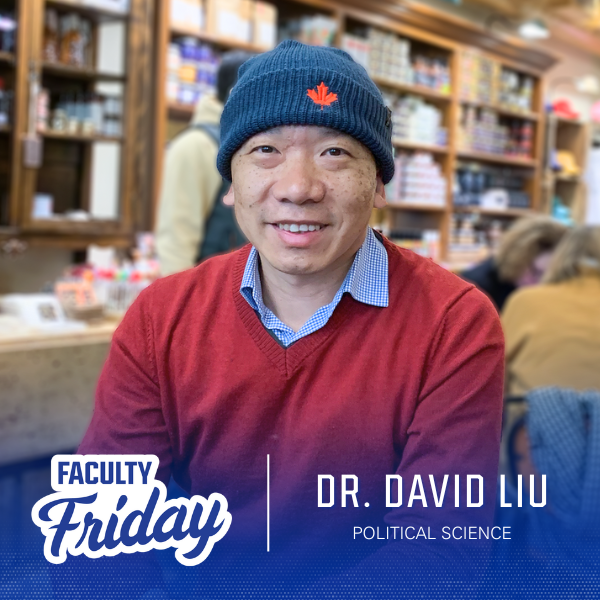
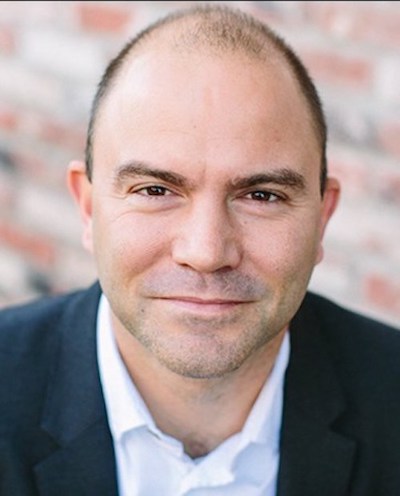
When Presbyterian College professor Dr. Zihua (David) Liu thinks about his journey as a political scientist, he recalls a memory from his undergraduate experience at Foreign Affairs University in Beijing that furthered his interest in foreign relations: U.S. President Bill Clinton’s visit to China in 1998 and his reception at the university.
What Liu remembers most from the experience was the candid nature of the conversation between presidents Clinton and Jiang Zemin, and the impact that their meeting had on the political landscape at the time.
“They had a fairly candid press conference, and I thought, ‘this is the first time in China’s history where the Chinese president and the American president were actually speaking without a script,’” he said.
An interest in government
Liu’s interest in political science and public policy lies particularly in international relations and political governance, stemming from a desire to improve political systems across the world to better serve the public.
“I really cared about how countries are governed, and I think political governance matters a lot in terms of national outcomes,” he said. “How people live, political freedom, economic conditions – it all matters.”
There was one day that I just realized I needed to be myself. I really like to interact with my students, and they know me, so they interact with me. I don’t lecture as much as have conversations with my students.”
Dr. David Liu, Professor of Political Science and Public Policy
Finding footing in the classroom
Over the years, Liu had to experiment with teaching style to find what best suited him, made possible by the college’s small class sizes and opportunity for strong professor-student bonds, something he greatly appreciates about PC.
“There was one day that I just realized I needed to be myself. I really like to interact with my students, and they know me, so they interact with me,” he said. “I don’t lecture as much as have conversations with my students.”
Coming from a smaller university himself, Liu understands the importance of connection and student involvement in the classroom, often incorporating discussions into his lectures.
“Some students don’t like that, but a lot of students actually enjoy being part of the learning process,” he said.
Hopes for the future
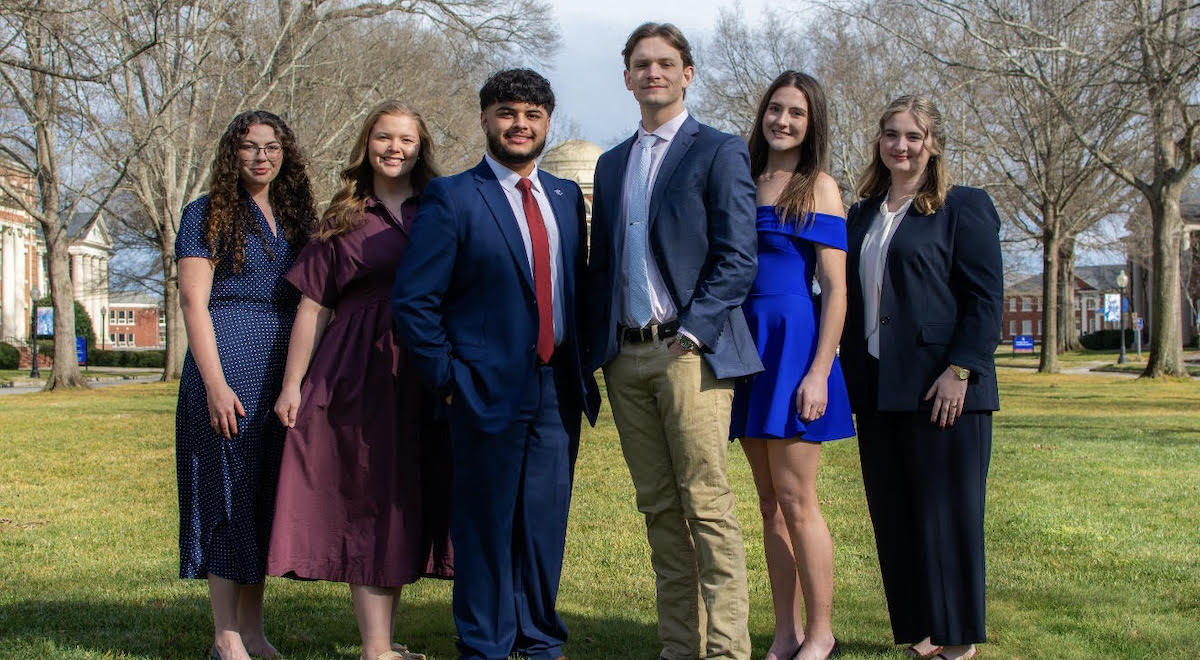
Liu works directly with the Model United Nations initiative at PC, a program that allows students to attend conferences as part of a delegation representing other countries.
In the coming years, he hopes to see this initiative not only grow, but also become embedded in PC’s campus culture.
“I really would like to see the Model United Nations initiative become very rooted in our campus, because we care a lot about service, international institutions, and collaborative initiatives,” he said.
Through collaboration and experience, Liu hopes that the growth of the Model U.N. on campus will lead to eye-opening experiences and new perspectives for students.
“I’m hoping that the students can open up their eyes to see the world, and other people, and care about it,” he said. “I think the whole is greater than the sum of its parts when people can communicate, share practices, and come together.”