Three-week February program blends language instruction, cultural exchange, and friendships that reach across continents
For three weeks in February, Presbyterian College welcomed a group of visiting students from Japan for an immersive academic and cultural experience designed to strengthen English language skills while building friendships across cultures.
The college’s Winter Intensive English Program brought 19 students from Otemon Gakuin University in Osaka to campus for a three-week course combining classroom instruction, peer tutoring and excursions throughout the Southeast. The program marked the first time Presbyterian College had hosted the winter program since 2011, according to Viet Ha, PC’s director of international programs.
Initially, 20 students were expected to participate, including one student from South Korea, but that student withdrew due to medical reasons. The remaining 19 students traveled from Japan to Clinton to take part in the three-credit course co-taught by adjunct professor Tricia Nolan and Jordan Powers, international programs coordinator.
“The three-week intensive program focuses on English language skills and cultural experiences,” Ha said.
Immersive language learning
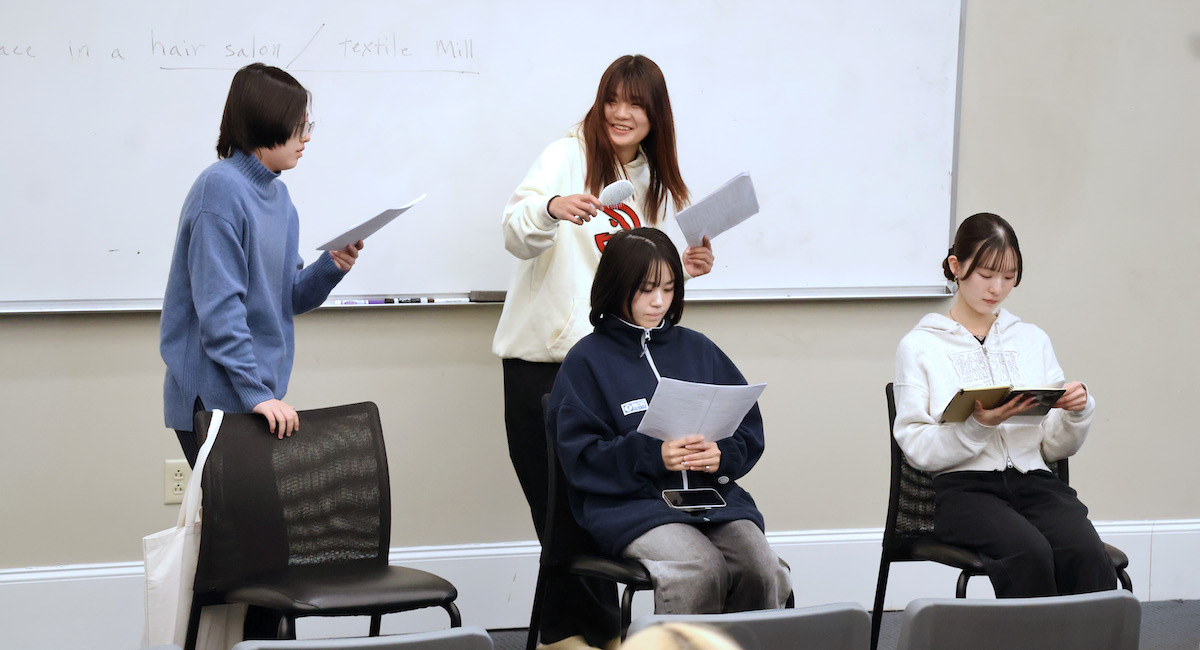
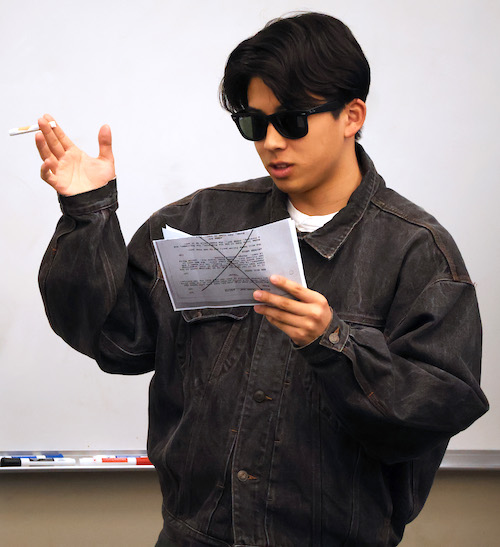
Students spent their mornings studying grammar and their afternoons focusing on pronunciation and reader’s theatre exercises designed to build speaking confidence and comprehension.
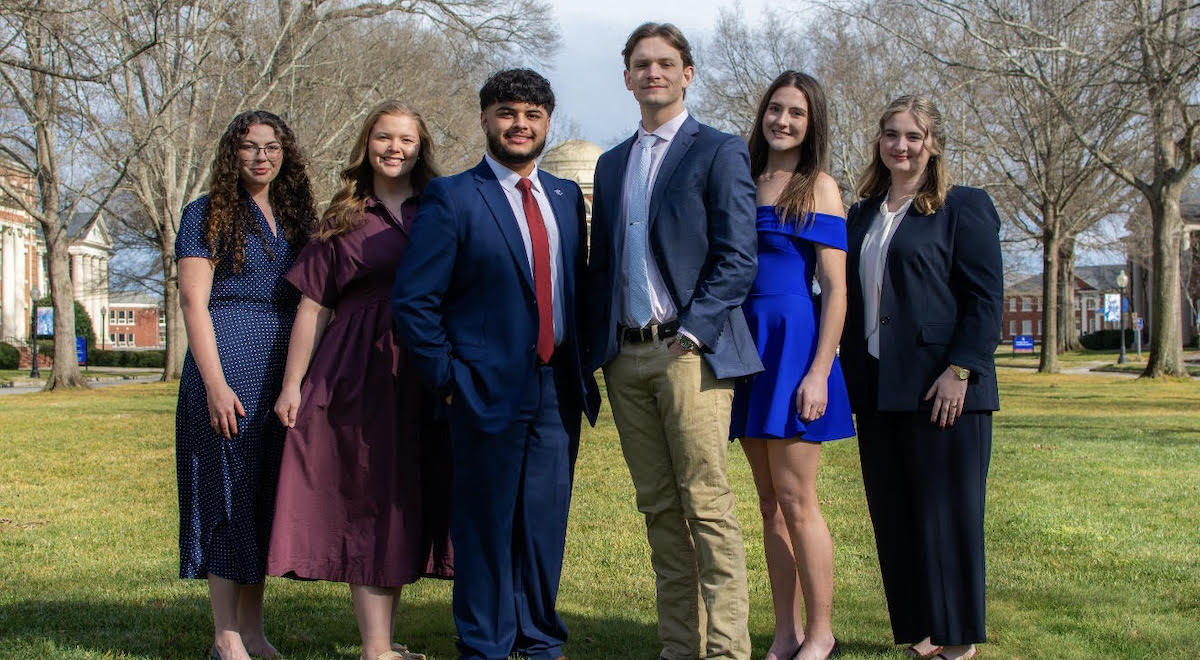
Outside the classroom, the program emphasized practical conversation and cultural immersion. Each visiting student was paired with Presbyterian College tutors who helped them practice English, complete assignments and navigate campus life.
Recruiting student tutors had sometimes been a challenge in previous years, Ha said, but this year the program saw strong interest from PC students.
“Recruiting student tutors has traditionally been challenging,” he said. “This year, we promoted the program, encouraged professors to recommend qualified students, and received many strong suggestions. Ultimately, we hired 10 PC tutors.”
The tutors worked closely with the visiting students, often spending time together outside of scheduled sessions to practice English and build friendships.
A campus culture of exchange
Dr. Roy Campbell, professor of history and director of the Center for South Korean and Asian Studies at PC, said exchanges like the Winter Intensive English Program play a vital role in strengthening cultural understanding on campus.
“Through the joint efforts of the Office of International Programs and the Center for South Korean and Asian Studies, we are actively trying to build an Asia-centered culture on campus,” Campbell said.
By hosting students from countries such as Japan, South Korea and China — while also sending PC students abroad — the college creates opportunities for meaningful connections.
“The beauty of these exchanges is that as our PC students develop more familiarity with these countries, particularly by making good friends with our visiting students, they become more interested and eager to travel there themselves,” he said.
Campbell said the exchange programs enrich the campus community in ways that extend beyond the classroom.
“Culturally speaking, hosting and visiting our friends from these Asian countries helps make the world smaller for our PC students, while, at the same time, makes PC bigger and better,” he said.
Finding confidence in conversation
For Takuto Sogabe, a first-year student from Otemon Gakuin University, the experience at Presbyterian College proved both challenging and transformative.
Sogabe said he decided to participate after attending an information session at his university and wanting to make his first year of college more meaningful.
“From the time I entered university, I wanted to make my college life more meaningful by challenging myself in various ways during my first year,” he said.
Once he arrived at PC, Sogabe quickly discovered that the experience would exceed his expectations.
“After participating in the program, I realized that my experience was even more fulfilling than I had imagined, and I was able to spend each day in a very meaningful way,” he said.
One of his favorite parts of the program was working with the student tutors. He visited the tutors’ room almost every day to practice pronunciation and prepare for presentations.
“After classes, I visited the tutors’ room almost every day to practice English pronunciation and prepare for weekend speeches,” he said.
At first, speaking English with new people felt intimidating. But as the weeks passed, Sogabe said he gained confidence.
“At first, I was hesitant to speak with others, but over time I became more confident and began to start conversations on my own,” he said.
The friendships he formed extended beyond tutoring sessions.
“I made friends not only through the tutoring program but also in other settings,” Sogabe said. “I enjoyed playing table tennis with friends and sharing meals together, and I found myself spending more time with PC students than with other Japanese students.”
The welcoming atmosphere left a lasting impression on him.
“I was also deeply impressed by how welcoming the PC students and staff were, as they naturally accepted me as one of their own despite my being an international student,” he said.
The experience was so meaningful that Sogabe said he is now considering returning to Presbyterian College for a longer program.
“Even though my stay was short, it was such a fulfilling experience that I found myself not wanting to leave,” he said.
Even though my stay was short, it was such a fulfilling experience that I found myself not wanting to leave.”
Takuto Sogabe, Student, Otemon Gakuin University
Learning from one another
For PC student Kacie Tharin, serving as a tutor offered a chance to connect with students from another part of the world while also learning about their culture.
“I decided to participate in this program because I work in the Office of International Programs on campus and I have been able to assist Jordan with preparing the program and setting up the behind the scenes parts of it,” Tharin said.
She said she was eager to step outside her comfort zone and help visiting students feel at home.
“I am always drawn to different opportunities where I am able to work with others and learn about different cultures,” she said.
One of her favorite memories from the program came during a relaxed evening gathering with students and tutors.
“One of the biggest highlights for me was the bonfire we had with the students one Friday night,” Tharin said. “We made s’mores and just sat around talking and hanging out for a few hours.”
The informal setting made it easier for students to share stories about their lives.
“It gave us the chance to relax, laugh, and have real conversations outside of just our short tutoring times,” she said.
Through those conversations, Tharin said she gained a deeper appreciation for Japanese culture and the dedication students showed toward improving their English.
“This experience has made my world feel a little bigger without me having to leave campus,” she said.
Teaching and cultural connection
Powers, who is also a PC alumna, helped organize the program’s activities while also teaching grammar classes during the three-week course.
“For this program I was in charge of planning all activities for the students, finding and assigning tutors, and teaching grammar to the students,” Powers said.
She designed the curriculum to connect language instruction with the students’ experiences in the American South.
“In class I focused on building their English proficiency in reading, writing, and listening through U.S. Southern culture,” she said.
The program included excursions to Charleston and Atlanta, allowing students to explore regional history and culture while practicing their English in everyday settings.
Powers said she saw noticeable improvement in the students’ language skills over the course of the program.
“We saw so much improvement from arrival to departure,” she said.
One of her favorite moments came during the bonfire gathering, when students experienced a quintessentially American tradition for the first time.
“For many of the students it was their first time having s’mores,” she said.
As the group sat around the fire roasting marshmallows and talking late into the evening, the students and tutors bonded over music.
“The group bonded by singing John Denver around the fire,” Powers said.
A lasting experience
After completing the three-week program in Clinton, the students traveled to Florida for a visit to Walt Disney World before returning home to Japan.
But for many participants, the most meaningful part of the experience came from the connections they built along the way.
Through shared meals, conversations, classes and cultural exploration, the Winter Intensive English Program helped students from two countries discover common ground.
And in the process, it offered both visiting students and Presbyterian College tutors a glimpse of how much the world can grow — simply by bringing people together.