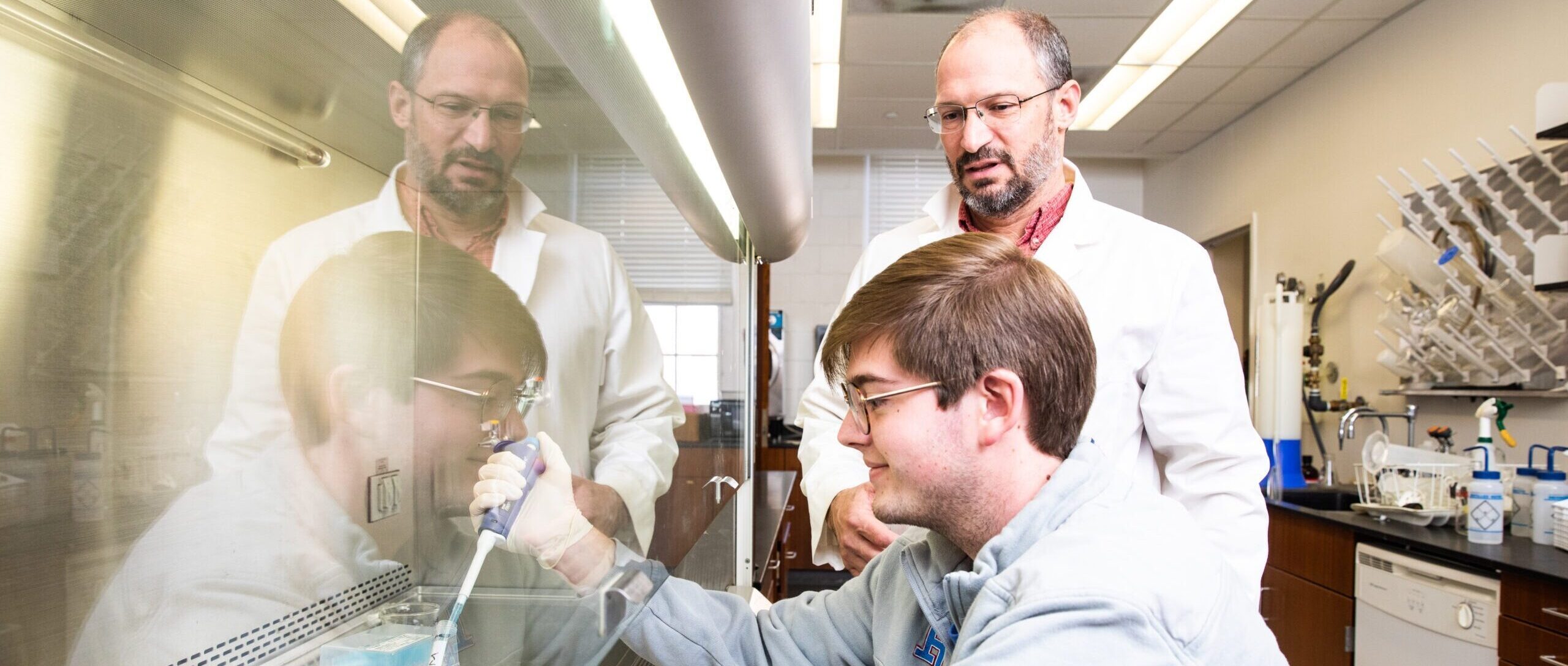
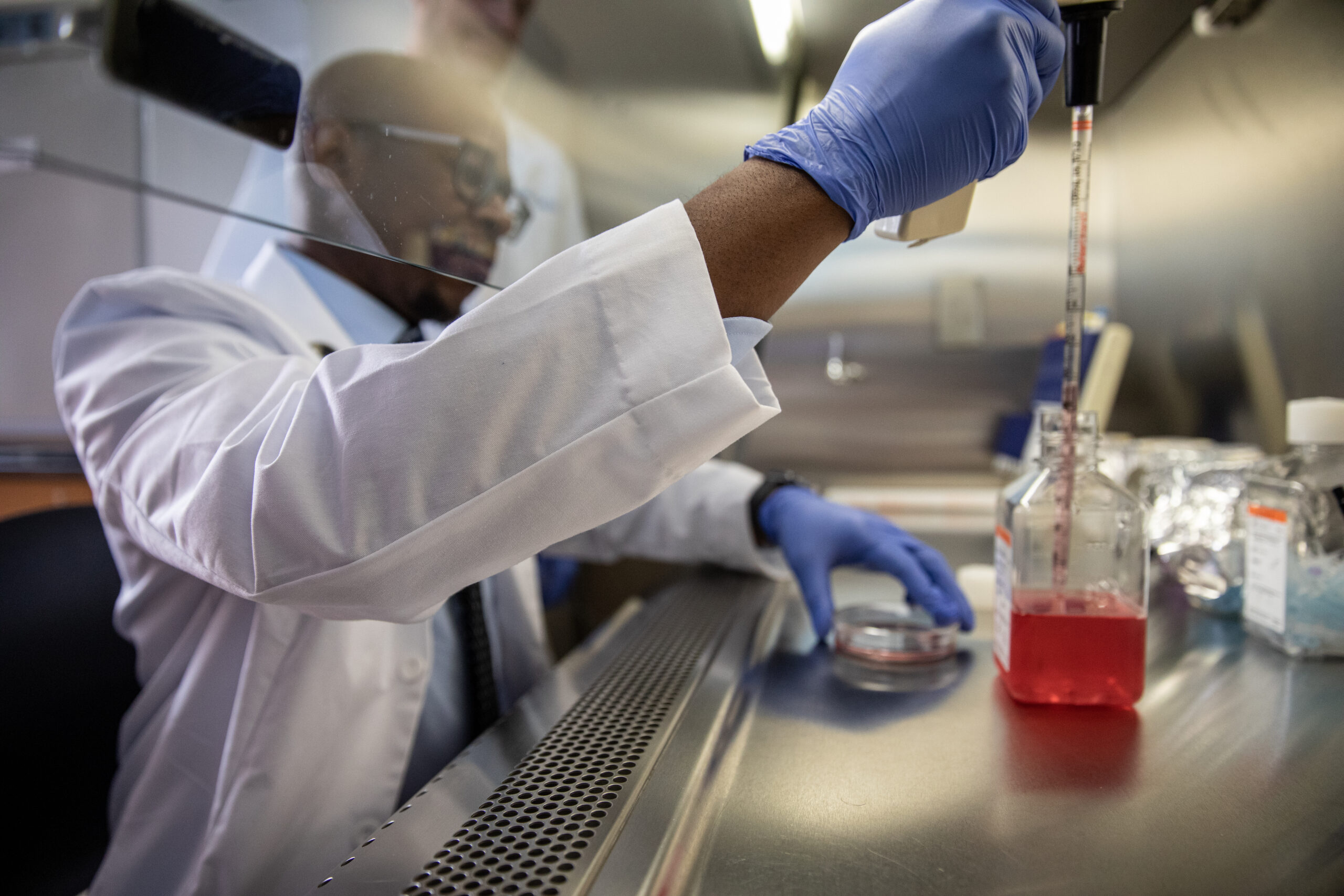
Prepare for a career in the fast-paced pharmaceutical industry
You’ll learn the fundamentals of chemistry, biology, and pharmaceutical principles that underpin contemporary healthcare as a pharmaceutical sciences major at PC. Pursue a special route that blends pharmacy school education with undergraduate studies, producing a flexible degree that provides access to a wide range of employment options.
Classes in pharmaceutics, pharmacology, medicinal chemistry, and other subjects will be covered. Plus, you’ll gain access to cutting-edge facilities and knowledgeable faculty who are leaders in the field thanks to PC’s unique partnership with our School of Pharmacy.
You’ll get a firsthand look at the pharmaceutical sciences through specialized coursework, research opportunities, and professional connections that set you up for success.
The Power of Your Degree
- Expand your perspective.
Learn about the discovery, development, and patient delivery of medications as well as the importance of evidence-based practices in pharmaceutical innovation. - Broaden your knowledge.
Examine how drug development, formulation science, and pharmaceutical policy intersect with chemistry, biology, and healthcare. - Solidify your skill set.
Gain technical skills in data analysis, laboratory procedures, and scientific communication that are highly sought after in both industry and research contexts. - Become a critical thinker.
Examine therapeutic interventions, analyze complicated pharmaceutical problems, and develop solutions that enhance patient outcomes.
88 Hours
Required for Pharmaceutical Sciences major coursework
Senior Capstone
To demonstrate your skills in research, writing, and presentation
12:1 Student-To-Faculty Ratio
In discussion-based classroom settings
What You’ll Study
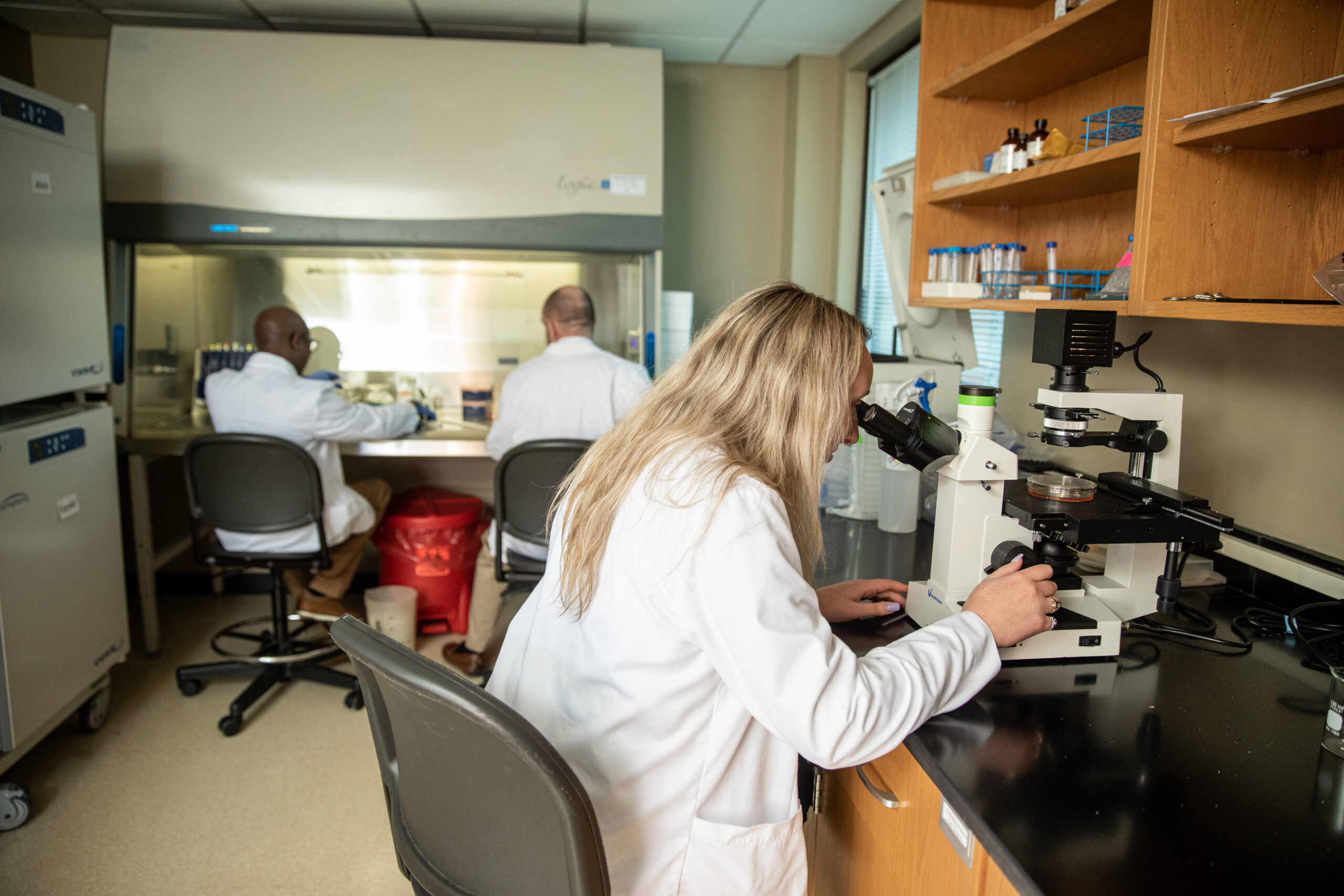
You will develop a strong foundation in the scientific principles that underlie modern drug discovery, development, and delivery from PC’s pharmaceutical sciences program. The first two years of the professional pharmacy curriculum are combined with two years of undergraduate study, which includes general education requirements and prerequisites for pharmacy.
To help you comprehend the full lifecycle of pharmaceutical products, courses draw from a range of scientific disciplines, including chemistry, biology, and pharmacology. You’ll gain abilities in problem-solving, critical analysis, and scientific methodology that are applicable to the pharmaceutical and healthcare sectors.
Get Involved
At Presbyterian College, you can actively pursue your passion for Pharmaceutical Sciences through programs and opportunities that take your discipline out of the classroom and into the real world—all while expanding your experience, perspective, and skillsets.
Careers in Pharmaceutical Sciences
The Communication Studies major opens the door to a wide range of professional opportunities where strong writing, speaking, and strategic thinking are essential. PC graduates pursue careers in public relations, corporate communication, digital media, education, law, politics, nonprofit leadership, and beyond. The skills developed in the program also provide an excellent foundation for graduate study.
Career Professions
Biomedical Scientist
Medical Science Liaison
Environmental Monitor
Pharmaceutical Marketing Specialist
Pharmacy Technician
Laboratory Technician
Clinical Trial Manager
Quality Control Analyst
Clinical Laboratory Technician
Pharmaceutical Project Manager
Pharmaceutical Manufacturing Technician
Pharmacist (with additional degree)
Clinical Research Coordinator
Drug Industry Researcher
Regulatory Affairs Specialist
Pharmaceutical Sales Representative
Acquired Skills
Statistical analysis
Formulation science
Good laboratory practices (GLP)
Data analysis and interpretation
Laboratory safety protocols
Documentation and regulatory compliance
Analytical techniques and instrumentation
Drug development knowledge
Scientific communication
Medicinal chemistry principles
Critical thinking and problem-solving
Medical terminology
Clinical research methodology
Technical writing and reporting
Pharmacological knowledge
Quality assurance techniques
Experimental design
Research ethics
Quick Stats
$108,000
Average Median Salary
Graduates with a degree in pharmaceutical sciences can expect a median annual salary of around $108,000. Salaries can vary based on role and experience; for instance, pharmacists earn a median salary of $123,670, while medical scientists earn $96,420 annually. Top earners in the field can make over $200,000 per year.
7.7% Growth
Projected Employment Rate
Employment in pharmaceutical sciences careers is projected to grow by 7.7% over the next decade, driven by the increasing demand for healthcare services and advancements in pharmaceutical research. Roles such as medical scientists are expected to see a 13.4% growth, reflecting the high demand for professionals skilled in drug development and testing.
High Versatility
Career Diversity Index
A pharmaceutical sciences degree offers a wide range of career opportunities across various sectors. Graduates can pursue roles in research and development, quality control, regulatory affairs, and clinical trials. The versatility of the degree allows professionals to work in diverse industries such as pharmaceuticals, biotechnology, healthcare, and government agencies.
Source(s): College Factual