Analyze systems. Shape policies. Lead with purpose.
At Presbyterian College, the Political Science and Public Policy major offers students a comprehensive understanding of governmental structures, political behavior, and policy-making processes. Through rigorous coursework, experiential learning, and close faculty mentorship, students develop the analytical and communication skills necessary for impactful careers in public service, law, international relations, and beyond.
The Power of Your Degree
- Expand your perspective.
Examine the complexities of political systems and the factors influencing policy decisions on local, national, and international levels. - Broaden your knowledge.
Integrate studies in economics, history, and sociology to gain a multidimensional understanding of public affairs. - Solidify your skill set.
Develop critical thinking, research, and communication skills essential for analyzing and influencing political and policy outcomes. - Become a critical thinker.
Prepare to engage in civic life and assume leadership roles in various sectors by understanding the mechanisms of governance and policy implementation.
33 Hours
Required for Political Science and Public Policy major coursework
Senior Capstone
Demonstrate your expertise through a comprehensive research project or applied experience.
12:1 Student-To-Faculty Ratio
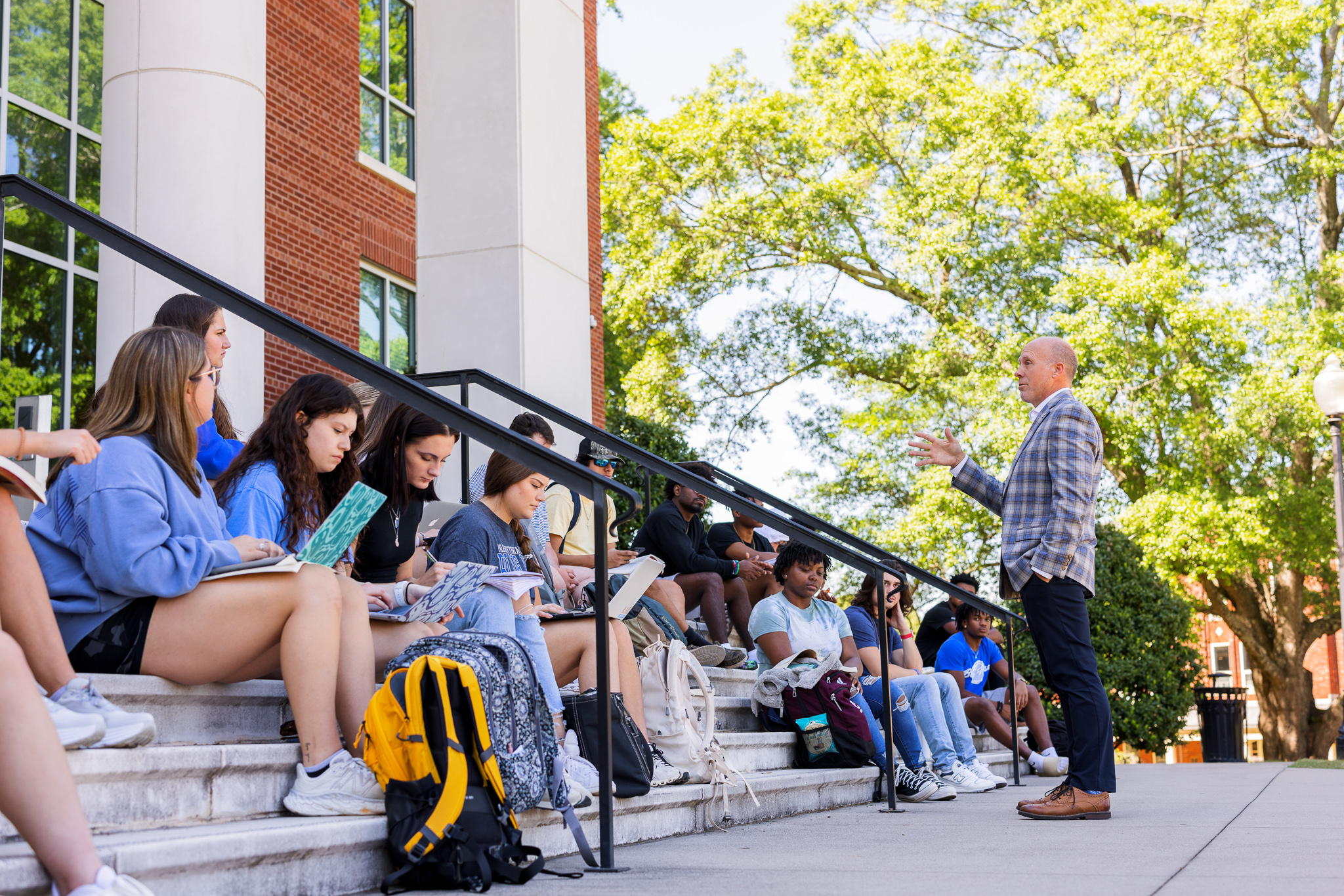
In discussion-based classroom settings
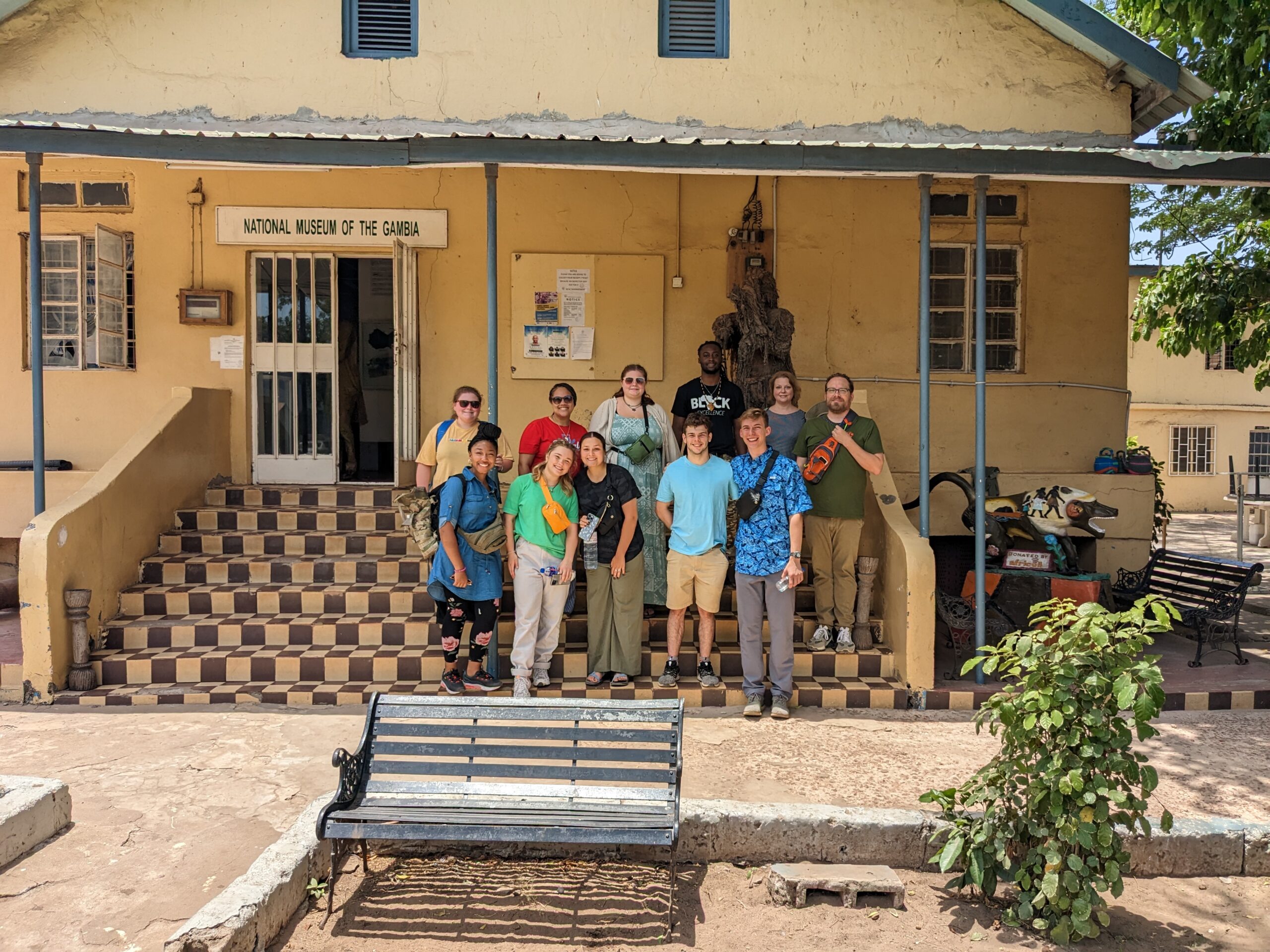
Real Students. Real Impact.
Political Science students at PC don’t just study government—they live it. From researching environmental policy to interning at a law firm and walking the path of civil rights leaders, our students connect classroom learning to meaningful action.
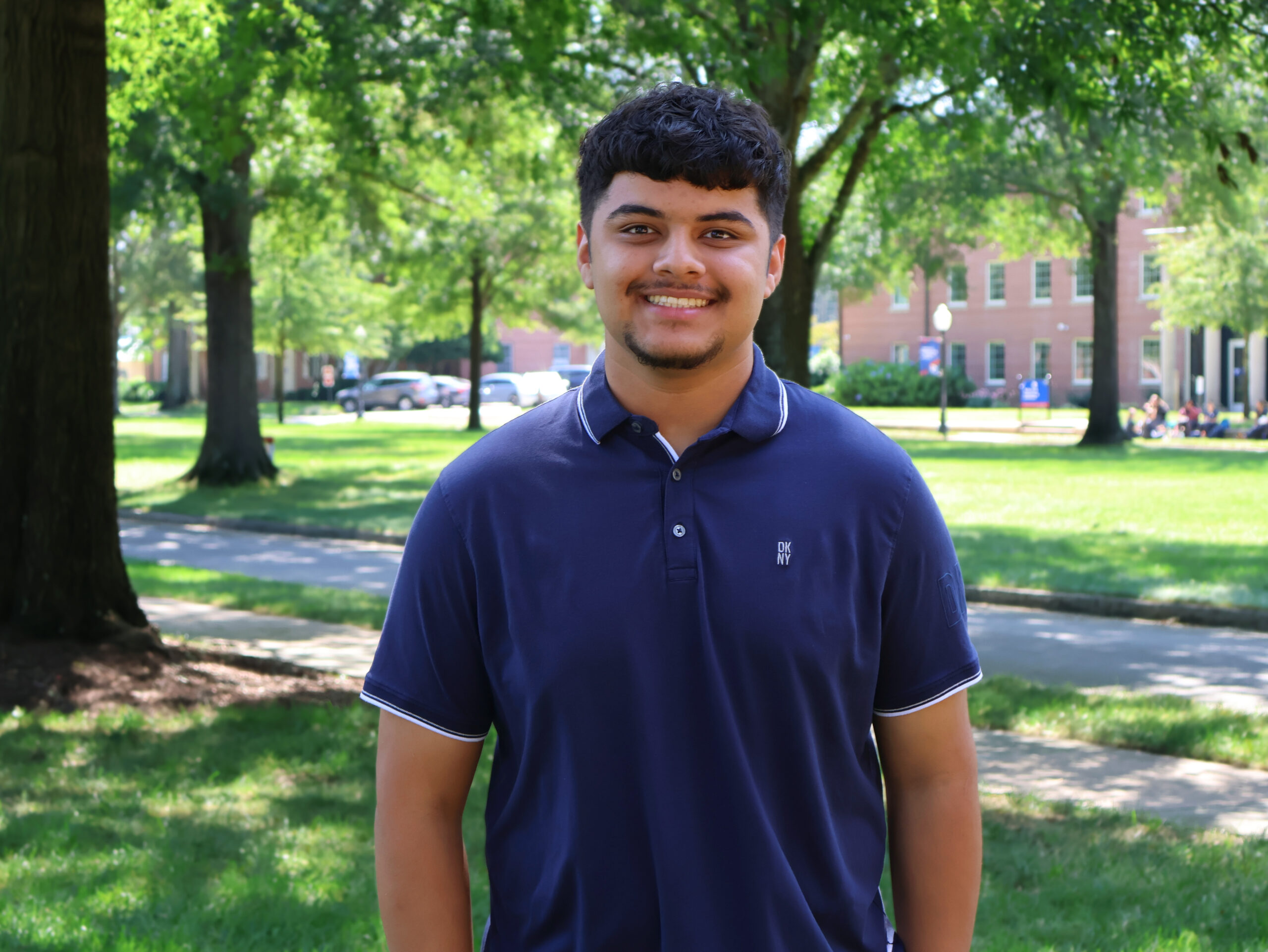

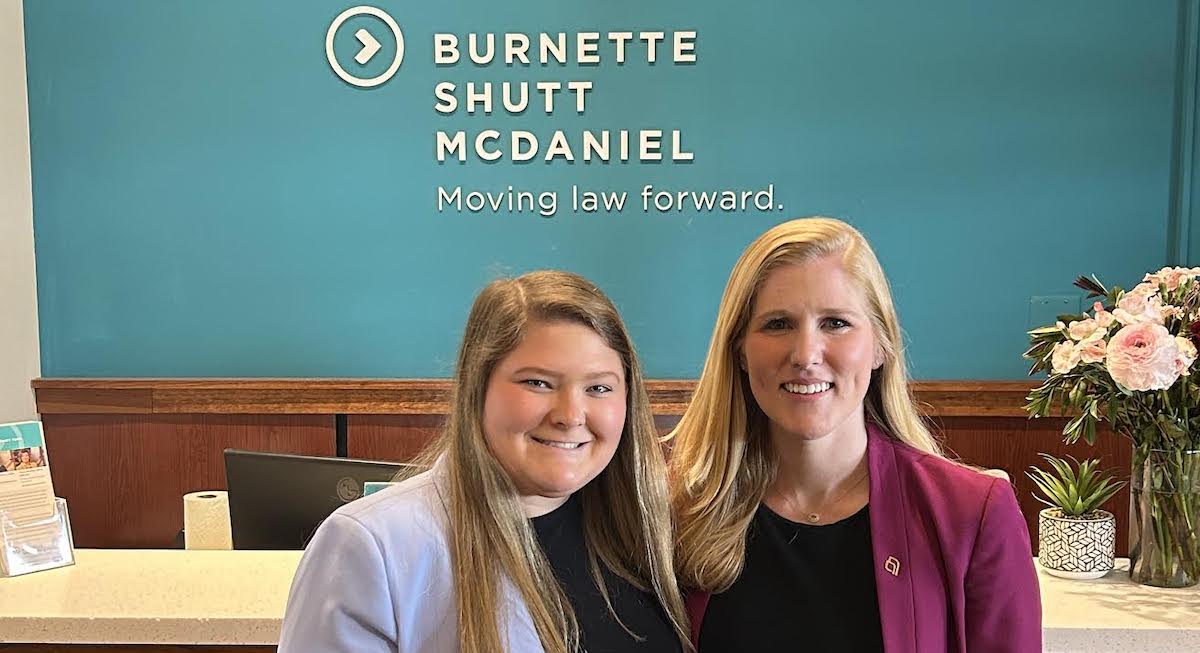
Real Students. Real Impact.
Political Science students at PC don’t just study government—they live it. From researching environmental policy to interning at a law firm and walking the path of civil rights leaders, our students connect classroom learning to meaningful action.
What You’ll Study
As a Political Science and Public Policy major at PC, you’ll begin with foundational courses in U.S. government and world politics. These introductory classes help you understand how political institutions operate at both domestic and international levels.
As you progress, you’ll explore key topics like comparative politics, international relations, constitutional law, political theory, and public policy analysis. You’ll gain experience in research methods, writing, and argumentation, while learning how policy decisions are made and implemented.
In your senior year, you’ll complete a capstone seminar, conducting original research or policy analysis on a topic of your choice. Many students also complete internships or participate in Model United Nations to apply what they’ve learned in real-world settings.
This flexible and interdisciplinary major pairs well with fields such as history, international studies, economics, or business, preparing students for graduate school or careers in public service, law, and beyond.
Get Involved
At Presbyterian College, you can actively pursue your passion for Political Science and Public Policy through programs and opportunities that take your discipline out of the classroom and into the real world—all while expanding your experience, perspective, and skillsets.
Careers in Political Science and Public Policy
A degree in Political Science and Public Policy from PC prepares you for a wide range of careers in government, law, international organizations, non-profits, journalism, and business. Graduates have successfully pursued advanced degrees and have taken on roles that influence public affairs and policy-making.
Career Professions
Policy Analyst
Legislative Assistant
Political Consultant
Public Affairs Specialist
Campaign Manager
Lobbyist
Government Relations Specialist
City or Urban Planner
Public Administrator
Nonprofit Program Manager
Intelligence Analyst
Foreign Service Officer / Diplomat
Political Risk Analyst
Research Associate (Policy Think Tank)
Community Organizer
Public Opinion Researcher
Human Rights Advocate
Government Program Evaluator
Law Clerk or Paralegal (pre-law path)
Journalist / Political Correspondent
Acquired Skills
Policy analysis and evaluation
Research and data interpretation
Writing policy briefs and legislative reports
Understanding of political systems and governance
Critical thinking and argumentation
Public speaking and presentation
Communication (oral and written) for diverse audiences
Knowledge of public administration and budgeting
Legal and ethical reasoning
Stakeholder engagement and consensus-building
Political campaign strategy and media planning
Negotiation and conflict resolution
Statistical analysis (e.g., SPSS, Stata)
Public opinion polling and survey design
Advocacy and lobbying strategies
Legislative tracking and policy monitoring
Collaboration and teamwork in policy environments
Grant writing and fundraising
Strategic planning for public or nonprofit programs
Cultural and global awareness in policymaking
Quick Stats
$132,350
Average Median Salary
Graduates with a degree in political science and public policy can expect a median annual salary of around $132,350. Salaries can vary based on role and experience; for instance, political scientists employed by the federal government earn a median salary of $145,600 per year, while those in professional, scientific, and technical services earn $127,260 annually. Top earners in the field can make over $183,500 per year.
3% Growth
Projected Employment Rate
Employment for political scientists is projected to grow by 3 percent over the next decade, about as fast as the average for all occupations. This growth is driven by the increasing demand for professionals in policy analysis and research. An estimated 500 openings for political scientists are projected each year, on average, due to both employment growth and the need to replace workers who transfer to different occupations or exit the labor force.
High Versatility
Career Diversity Index
A degree in political science and public policy offers a wide range of career opportunities across various sectors. Graduates can pursue roles in government, think tanks, political organizations, lobbying firms, and research institutions. The versatility of the degree allows professionals to work in diverse fields such as public administration, international relations, and social advocacy
Source(s): U.S. Bureau of Labor Statistics