Create What’s Next
Great design brings creativity and technology together. From a brand identity or website to
photography, motion and interactive media, digital designers transform ideas into visual experiences
that inform, persuade and inspire.
Digital Media Design at Presbyterian College gives you the artistic foundation and technical skills to
communicate in an increasingly visual and digital world. You’ll explore traditional art and design
principles while developing skills in graphic design, typography, digital photography, interactive
media and emerging technologies. The program is intentionally broad, preparing you to adapt as
creative tools and technologies continue to evolve.
And because you’re studying at a liberal arts college, you don’t have to limit yourself to one field.
Combine Digital Media Design with interests such as computer science, business or another discipline
to build an education – and a creative portfolio – that’s uniquely yours.
The Power of Your Degree
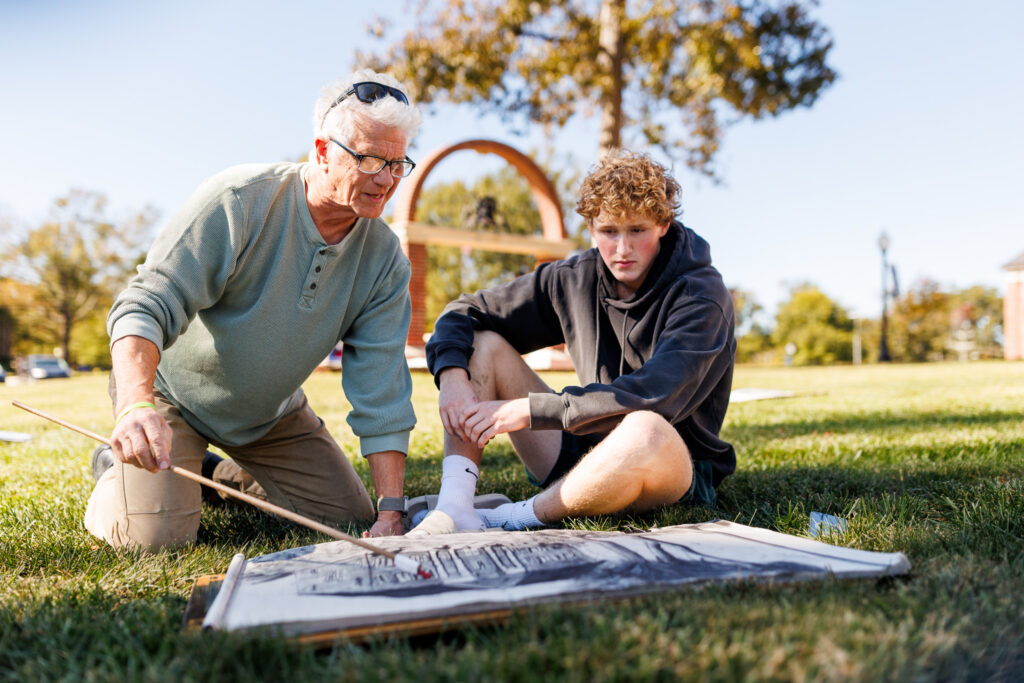
- Build your creative tool belt.
Develop a foundation in traditional art and design while learning how to apply those principles across digital media. - Broaden your knowledge.
Combine creative thinking with digital tools as you explore graphic design, photography, interactive media, web, motion and emerging technologies. - Solve real problems.
Move beyond hypothetical assignments by developing ideas, responding to feedback, and creating design solutions for real audiences and clients. - Design your own path.
Pair Digital Media Design with another area of study and create an interdisciplinary education that matches your interests and career goals.
36 Hours
Approximately required for the Digital Media Design concentration
18 hours
Required for the Digital Media Design minor
12:1 Student-To-Faculty Ratio
In discussion-based classroom settings
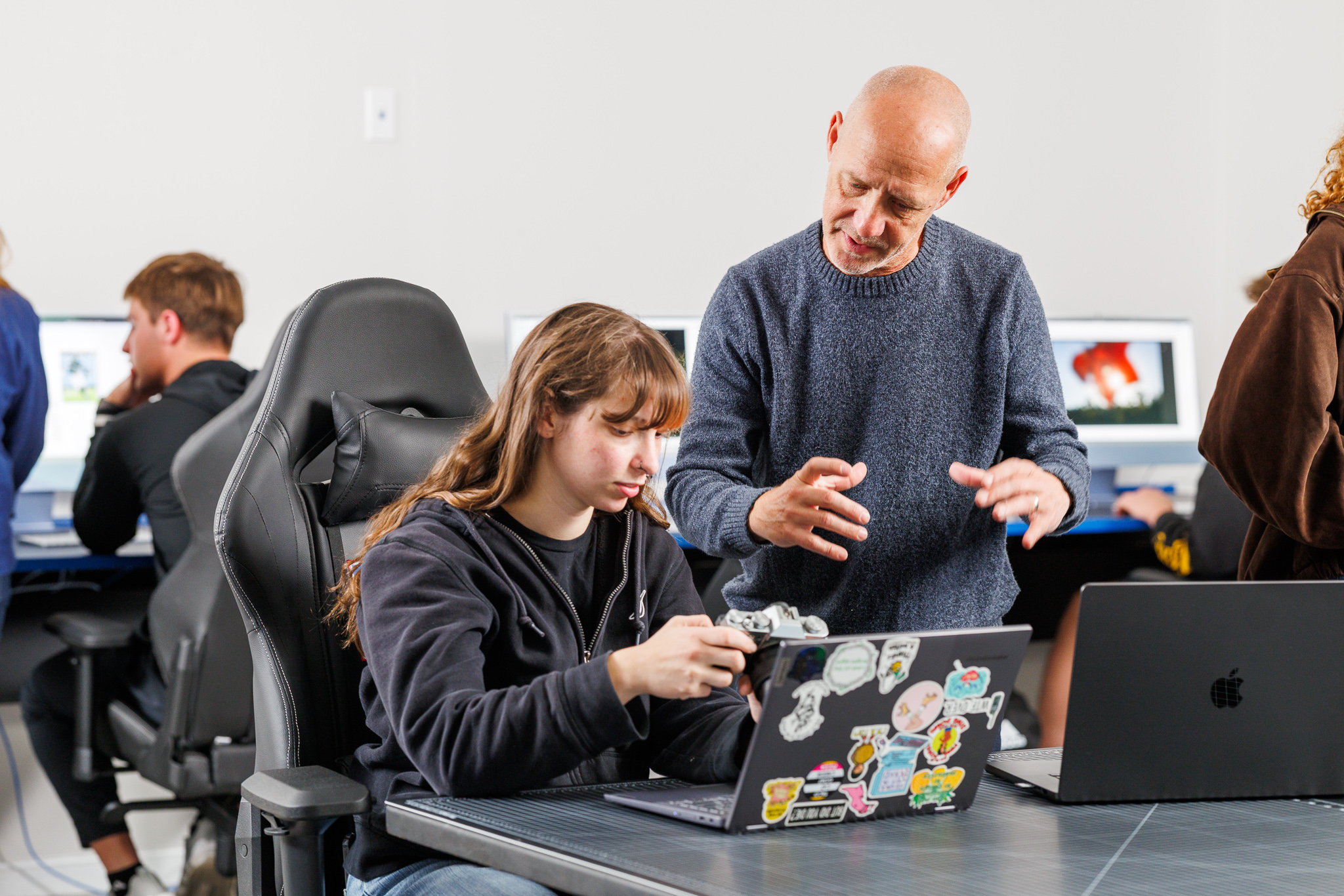
YOUR OWN CREATIVE SPACE
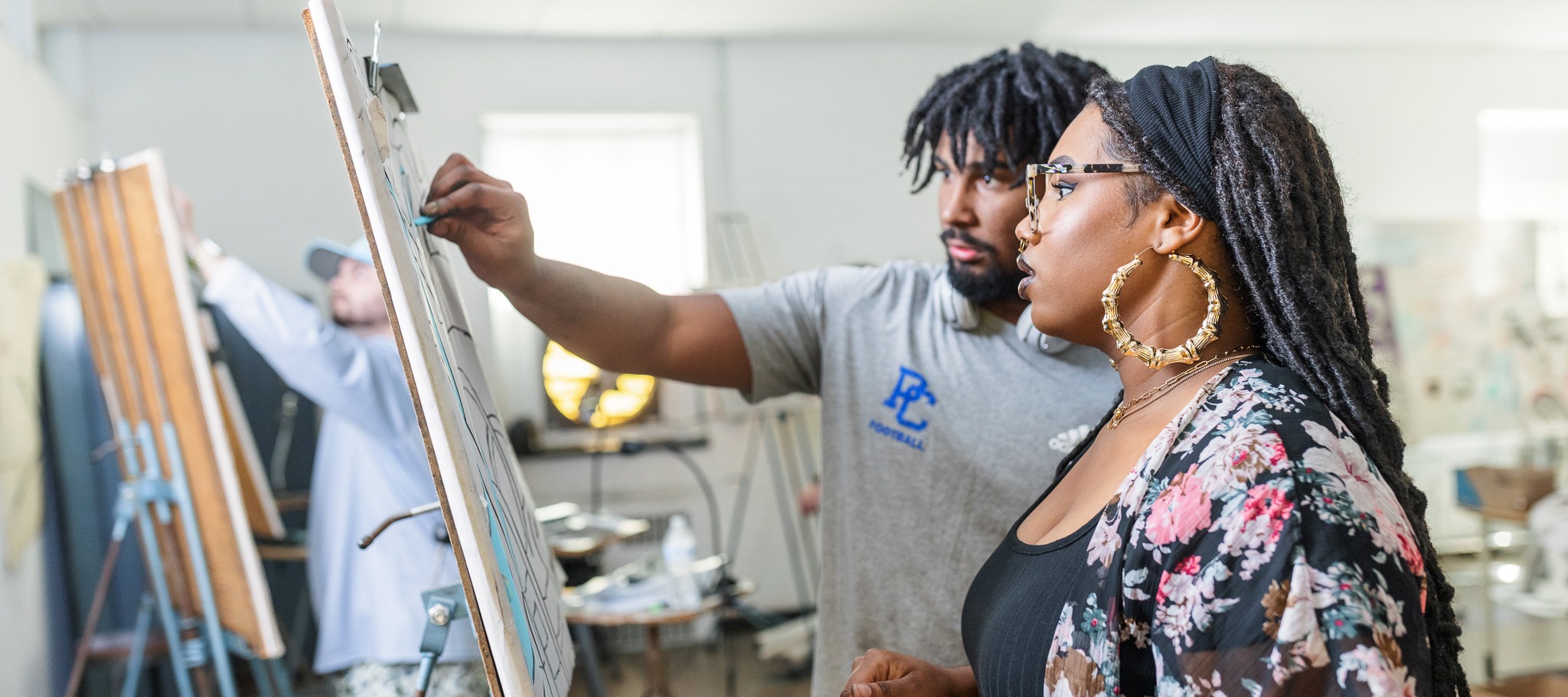
Individual studio space gives undergraduate artists and designers room to work, experiment, and develop their ideas.
What You’ll Study
Digital Media Design at PC begins with the fundamentals. Courses in drawing, 2D design and art history help you understand composition, visual communication and the artistic traditions behind contemporary design. From there, you move into digital media, graphic design, typography and digital photography while exploring areas such as interactive design and emerging technologies.
You’ll learn more than how to use creative software. You’ll learn how to develop an idea, research a problem, create and present concepts, respond to criticism and revise your work. Through projects, you’ll develop the creative problem-solving and professional communication skills designers use throughout their careers.
As you advance through the program, junior and senior projects, electives, internships and special topics provide opportunities to pursue your interests and develop work that demonstrates both your creative vision and your ability to put ideas into practice.
Example of Courses
Foundations
Drawing
2D Design
Art History
Introduction to Digital Media
Graphic Design
Typography
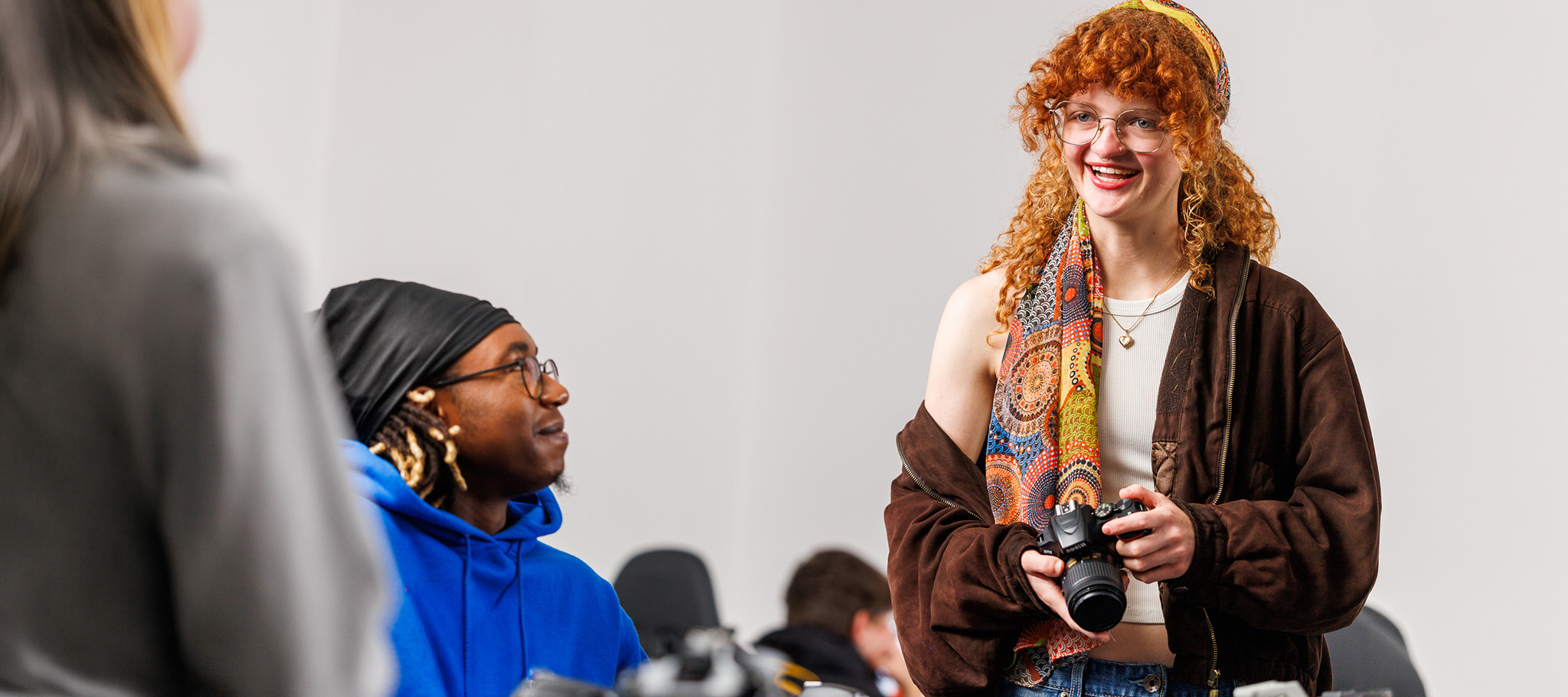
Digital Photography
Advanced Study
Interactive Design
Advanced Graphic Design
Advanced Typography
Internships
Special Topics
Junior and Senior Projects
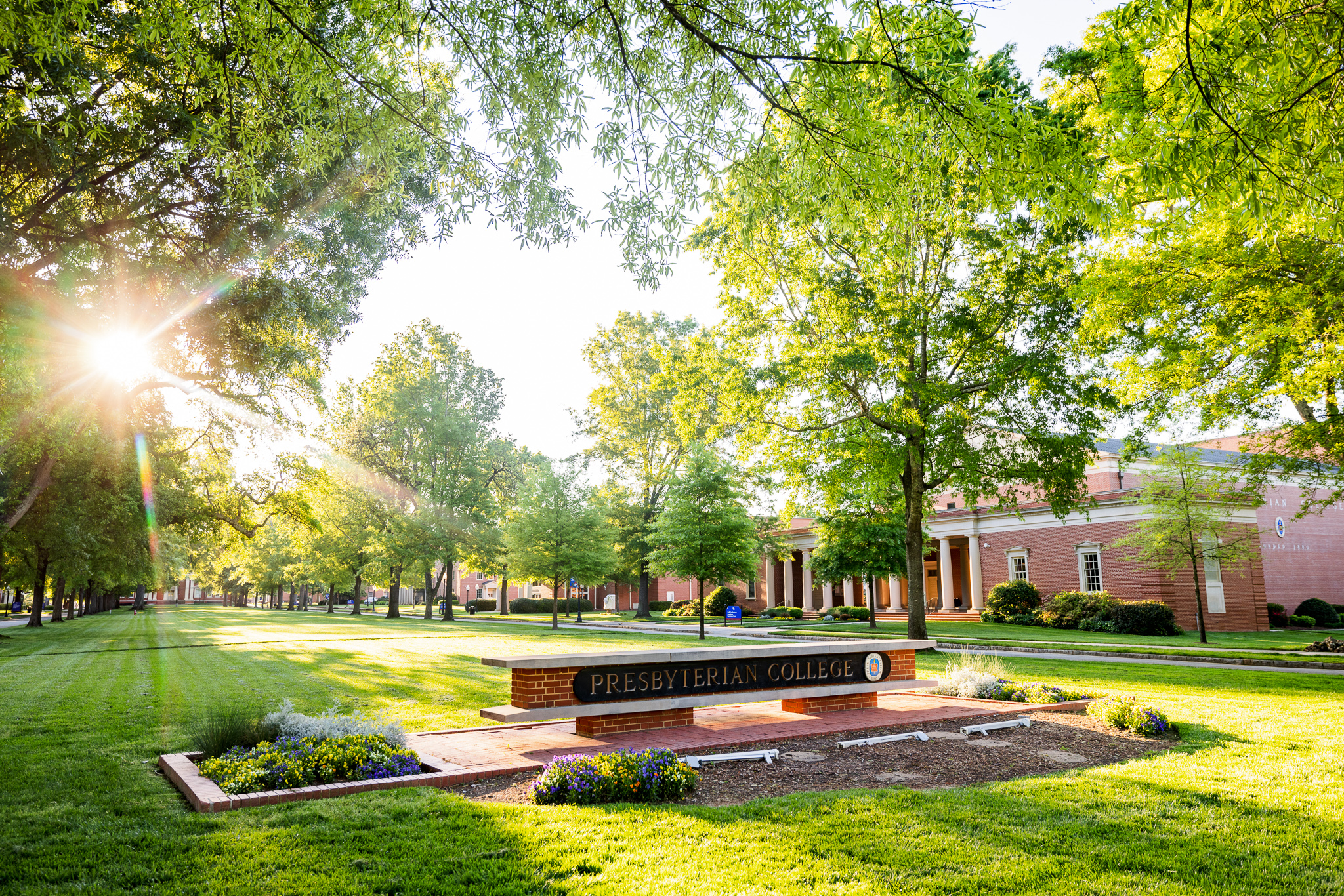
Get Involved
At PC, some of your most important design experiences can happen beyond the traditional classroom. You’ll have opportunities to put your creativity to work, collaborate with others and see how design can make a difference on campus and in the surrounding community.
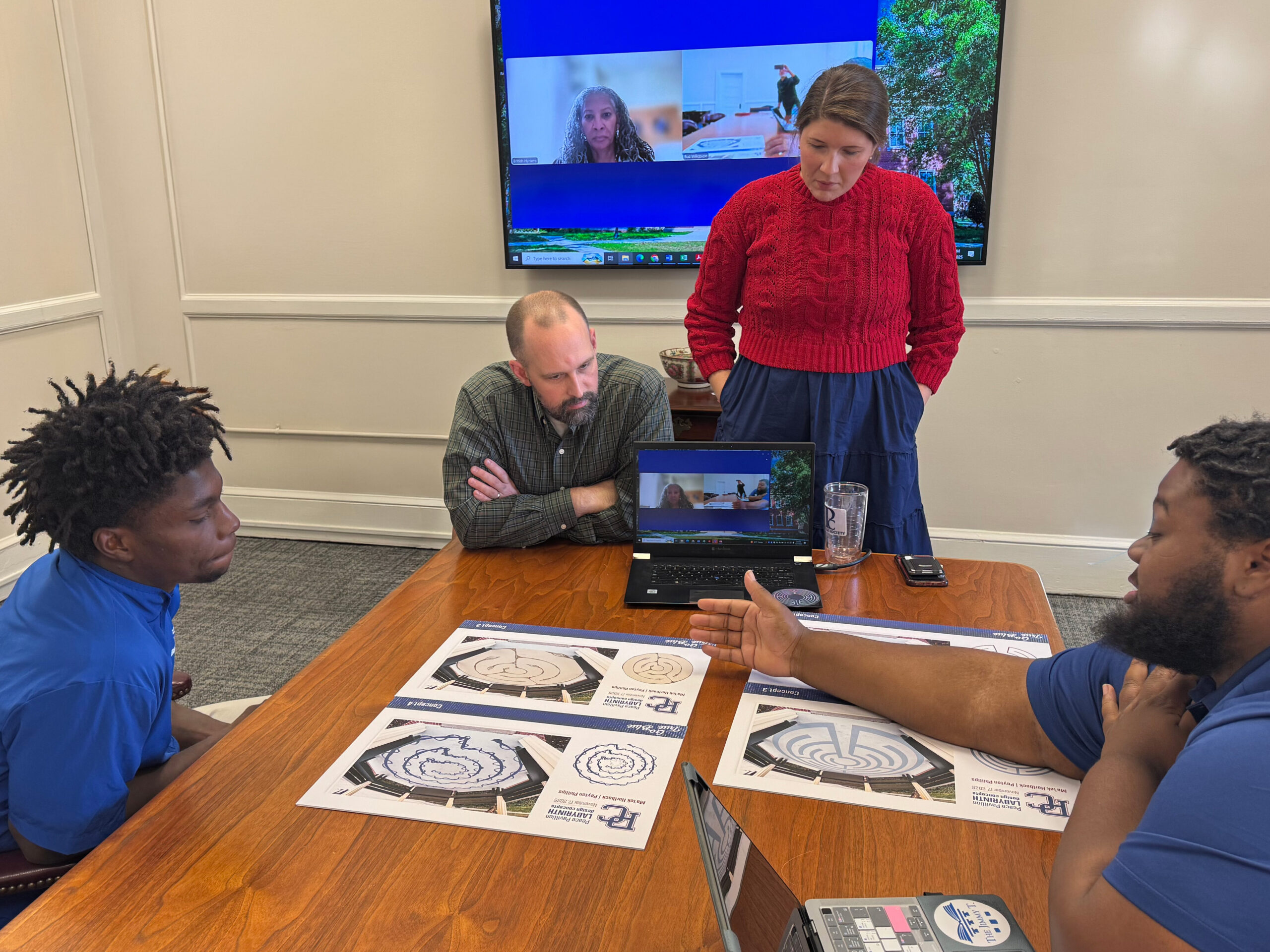
Work with Real Clients
Take a project from research and brainstorming through presentation, feedback and revision as you develop thoughtful, effective solutions for actual clients and audiences.
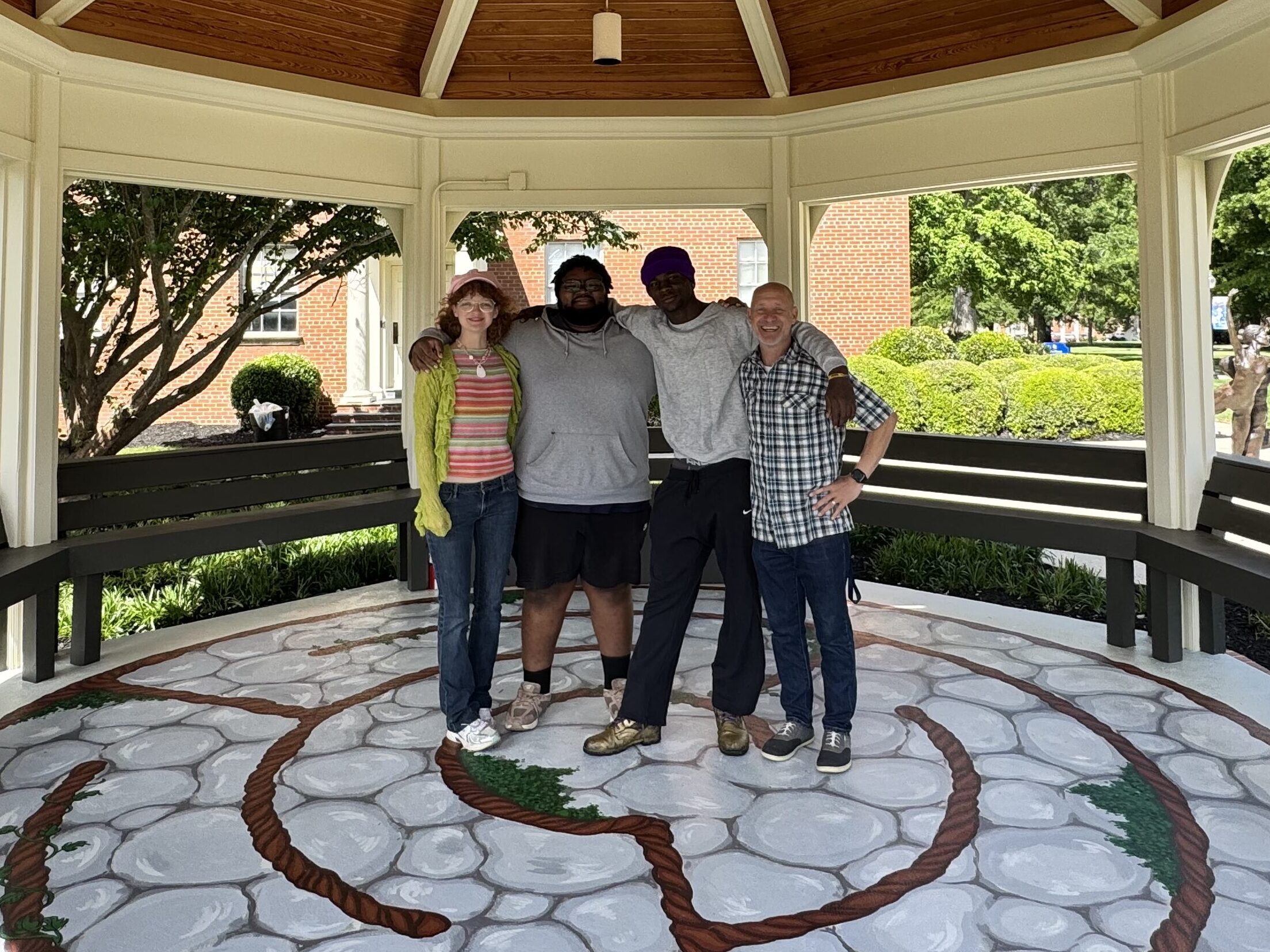
Design for Your Community
Help local businesses, organizations and campus partners address real needs through projects such as branding, websites, environmental graphics, murals and other visual communications.
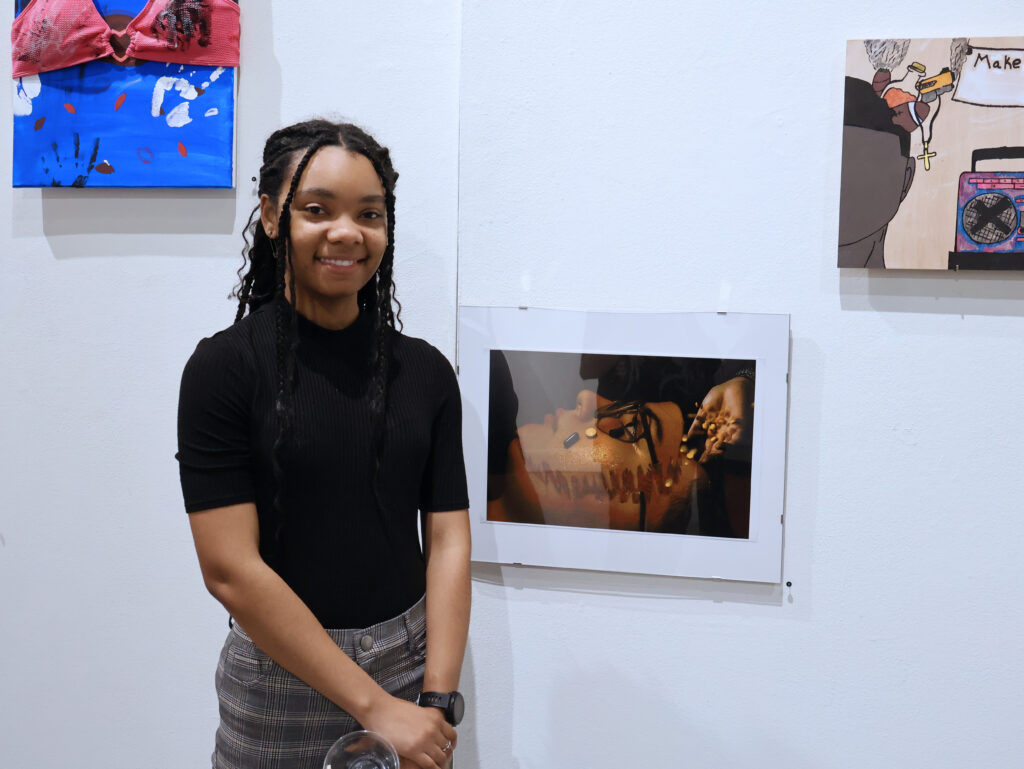
Showcase Your Work
Build confidence and professional experience by developing work for exhibitions, juried shows and competitions while creating a portfolio that demonstrates what you can do.
Careers in digital media design
Almost every organization has a story to tell – and increasingly, that story is told visually and digitally. Businesses, nonprofits, media organizations, technology companies and other employers need creative professionals who can communicate ideas clearly and effectively across multiple platforms.
Digital Media Design prepares you to approach that changing landscape as both a creative thinker and a problem-solver. Your experience developing concepts, working with clients, presenting ideas, responding to feedback and completing projects gives you skills that extend beyond any single piece of software or technology.
PC’s liberal arts curriculum adds another dimension to that preparation. Combining Digital Media Design with another field can help you develop specialized knowledge and pursue opportunities where design intersects with business, technology, communications and other disciplines.
Career Possibilities
Graphic Designer
Digital Designer
Web Designer
Interactive Designer
Brand Designer
Art Director
Creative Director
Digital Illustrator
Photographer
Multimedia Designer
Motion Designer
Marketing Designer
Social Media Designer
Production Designer
UX/UI Designer
Freelance Designer
Acquired Skills
Visual Communication
Creative Problem-Solving
Graphic Design
Typography
Digital Photography
2D Design
Composition
Concept Development
Brand Development
Digital Media
Interactive Design
Presentation Skills
Client Communications
Research
Critical Thinking
Project Development
Receving and Applying Feedback
Portfolio Development
Quick Stats
$99,800
Average Median Salary for Special Effects Artists & Animators
$98,090
Average Median Salary for Web & Interface Designers
$61,300
Average Median Salary for Graphic Designers
Source(s): U.S. Bureau of Labor Statistics, May 2024
MEET YOUR FACULTY
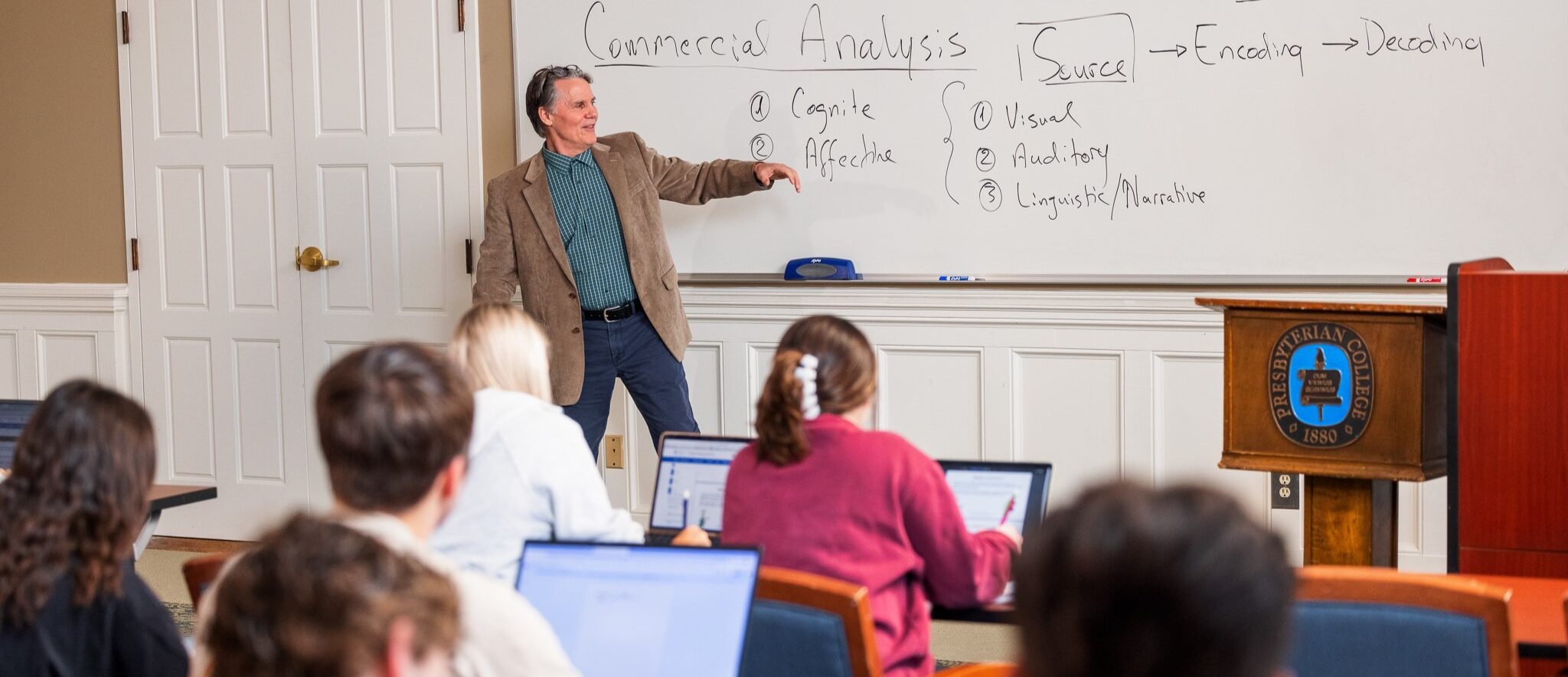
Our faculty bring art, design and technology together in a personal learning environment where you can experiment, ask questions and develop your own creative voice. Small classes mean your professors get to know you and your work – and can challenge you to grow as both a designer and a thinker.
Related Programs
Take Digital Media Design even further by combining your concentration or minor with another field that complements your creative and professional interests.