Presbyterian College will receive more than $700,000 through statewide EPSCoR initiative focused on research and STEM workforce development
Presbyterian College students and faculty will gain new opportunities for scientific research through a four-year, $10 million National Science Foundation grant awarded to South Carolina’s Established Program to Stimulate Competitive Research.
PC is one of 11 institutions participating in the statewide NSF EPSCoR initiative and will receive more than $700,000 during the next four years.
The program is designed to increase South Carolina’s capacity for scientific research, prepare students for careers in the STEM workforce and strengthen collaboration among colleges and universities across the state.
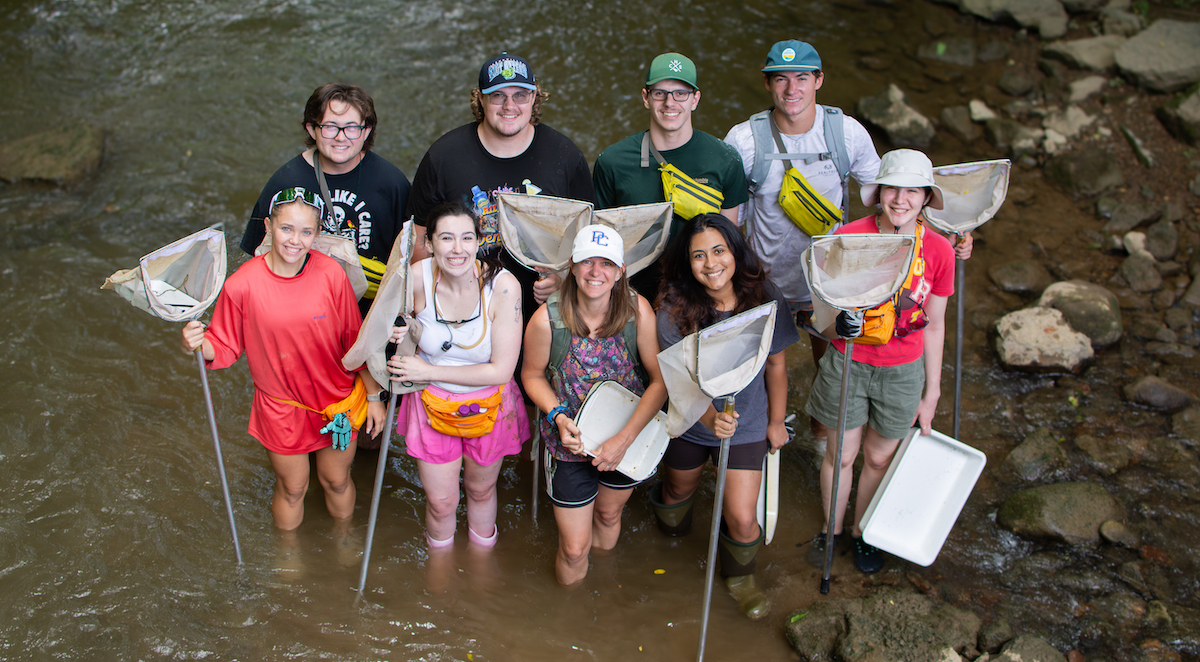
For PC, the grant builds on one of the college’s greatest strengths — close, faculty-mentored undergraduate research.
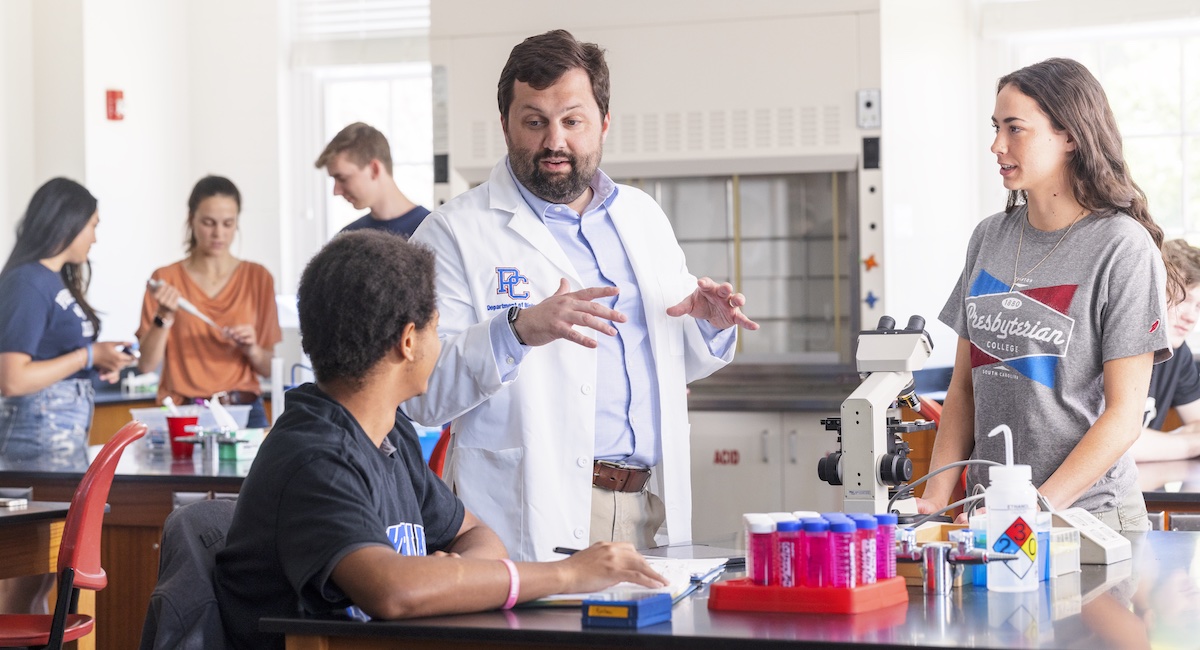
“We really do leverage our strengths at Presbyterian College, which is our intimate ability to do mentored research with our students,” said Dr. Austin Shull, associate professor of biology and director of the Center for Inquiry Research and Scholarship (CIRAS).
Shull said the combination of strong faculty mentorship and sustained research experience allows students to develop as scientists over time while contributing to meaningful scientific work.
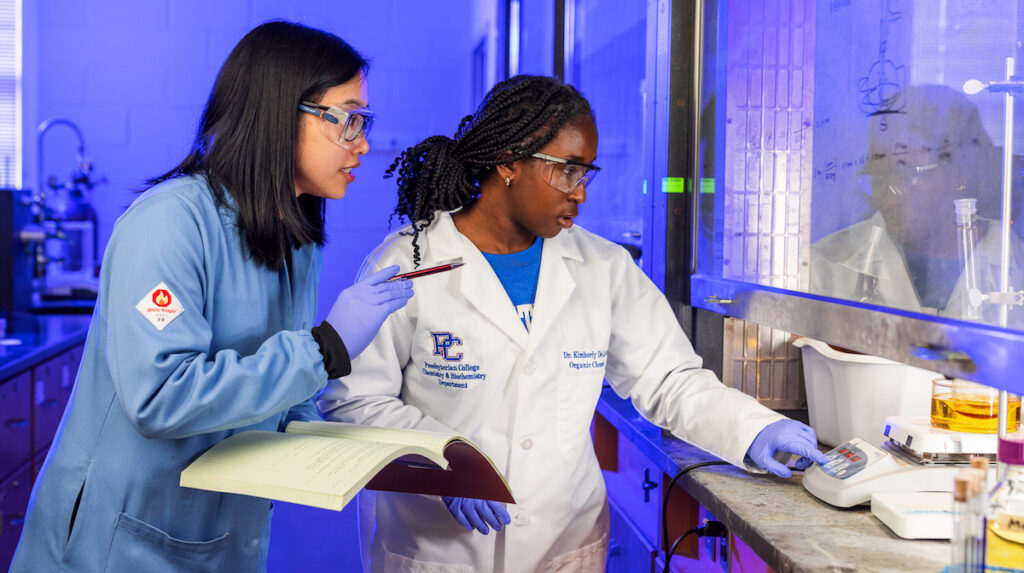
Expanding the Research Landscape
Dr. Stuart Gordon, professor of biology, said the new NSF-funded initiative will broaden the kinds of research opportunities available to PC students and faculty.
For years, PC has participated in SC-INBRE, a National Institutes of Health-supported program that strengthens biomedical research and undergraduate research opportunities throughout South Carolina.
The NSF initiative follows a similar model but casts a wider scientific net.
“This is science more broadly defined, because that’s the National Science Foundation,” Gordon said.
That distinction opens additional possibilities for faculty and students in biology, chemistry, physics, and other scientific disciplines whose work may fall outside the biomedical focus of NIH-supported programs.
Gordon said PC already has faculty members conducting strong research who could benefit from the expanded opportunities provided through NSF support.
The grant also builds upon relationships among participating institutions, allowing faculty members to share expertise, collaborate on projects, and create opportunities that extend beyond the resources of any single campus.
Shull said those connections effectively broaden the scientific community available to PC students and faculty.
Rather than research being confined to one department or one campus, faculty members can work with colleagues throughout South Carolina, drawing upon different areas of expertise while contributing their own.
It’s going to be a great opportunity for students. I feel like we’re well positioned to take advantage of this.”
Dr. Stuart Gordon, Professor of Biology
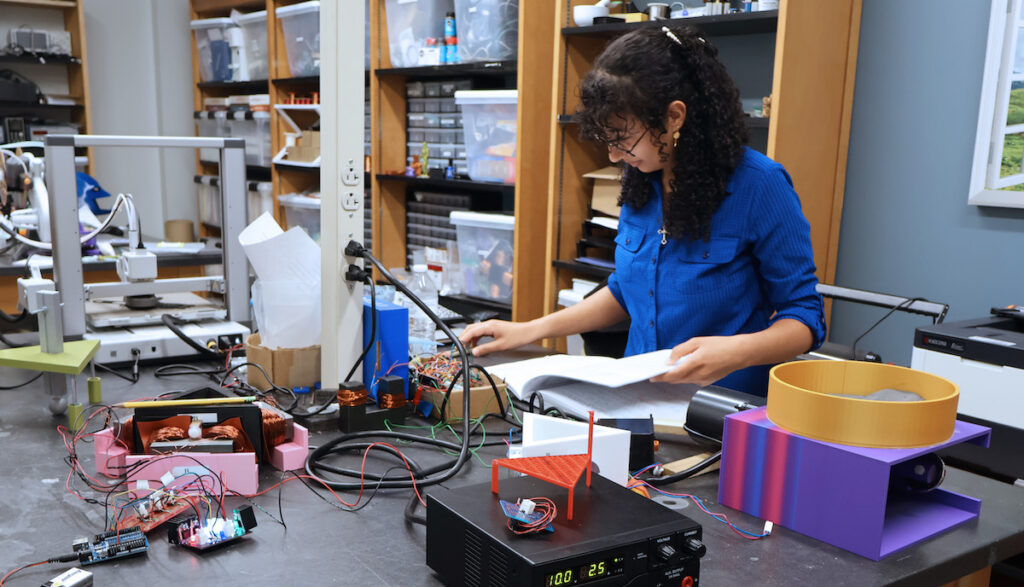
Helping Students Discover What is Possible
The greatest impact, Gordon said, may ultimately be on students who have never considered careers in scientific research.
Many students arrive at college understanding what physicians or veterinarians do, he said, but with far less exposure to the work of professional research scientists.
Undergraduate research can change that.
Students who become involved in faculty research learn how scientific questions are developed, how experiments are designed and how new knowledge is created. Some discover a career path they had never previously considered.
“They come in on that track, get this kind of experience and decide, ‘This is what I want to do,’” Gordon said.
Those experiences, he added, can be transformational.
Shull said PC’s model gives students an unusual combination: the individual attention associated with a small liberal arts college and opportunities to participate in serious scientific research.
With faculty serving as mentors, undergraduates can take meaningful responsibility for projects rather than simply observing the work of others.
That experience can help prepare students for graduate school, research careers and other STEM professions.
Positioned for the Opportunity
PC’s collaborative culture within the sciences also makes the college well positioned to take advantage of the new funding, Shull said.
Faculty members in biology, chemistry and physics bring different but complementary areas of expertise, and their willingness to work across disciplinary lines strengthens both research and student learning.
“We’re really poised with some good science faculty members working well between biology, physics, and chemistry,” Shull said.
For students, the result will be more opportunities to ask questions, work alongside faculty members and begin seeing themselves not simply as students studying science, but as scientists capable of contributing to it.
“It’s going to be a great opportunity for students,” Gordon said. “I feel like we’re well positioned to take advantage of this.”