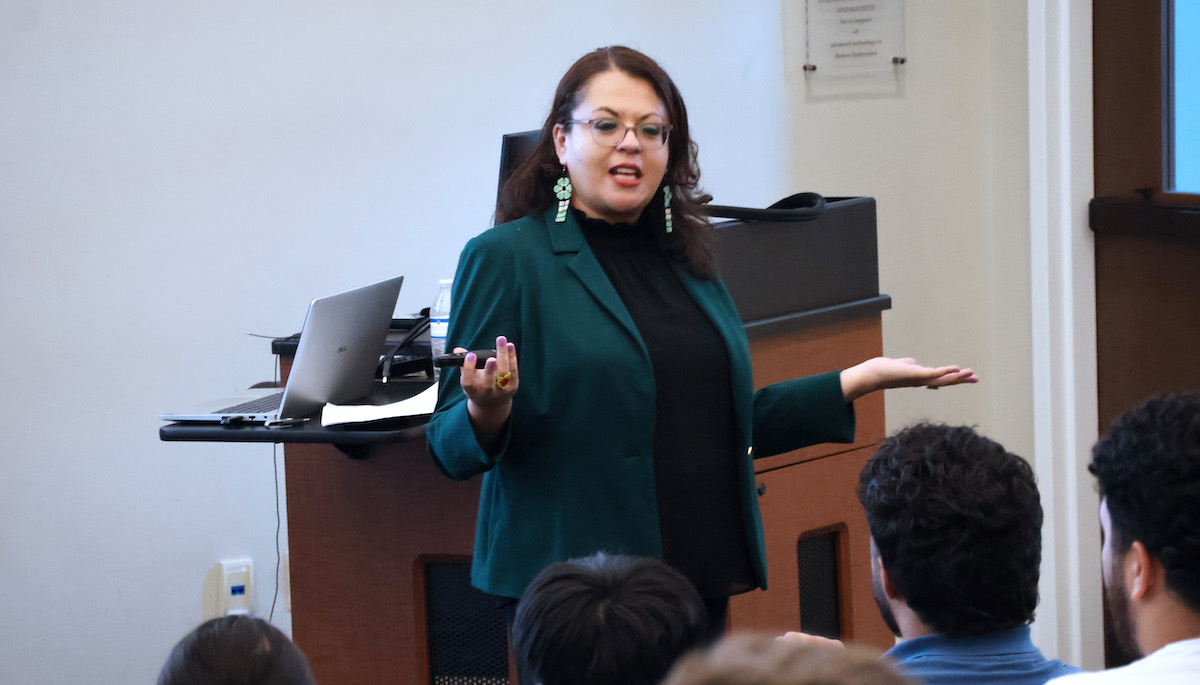
When school administrators across the Upstate need teachers, Presbyterian College’s education department often gets the call.
Dr. Patricia Jones, executive director and chair of the department, said principals and district leaders throughout the region regularly contact PC searching for graduates prepared to step confidently into classrooms immediately.
“Who can you send me?” Jones said administrators frequently ask.
For Presbyterian College’s education faculty, those calls reflect years of intentional preparation rooted in mentorship, immersive classroom experience, practical training, and a deeply personal investment in student success.
“I think our greatest strength is that we really care about the success of our students,” Jones said. “If they join us, we’re going to do everything possible to make sure they succeed.”
That commitment is producing results across South Carolina classrooms.
Recent graduates from Presbyterian College’s education program have accepted teaching positions in Laurens 55, Laurens 56, Greenwood 50, and Spartanburg 6 school districts. Others entered graduate programs or fielded multiple job offers before commencement.
The department currently boasts a 100 percent employment rate and a 100 percent pass rate on teacher licensure exams.
More importantly, Jones said, graduates are finding early success once they enter the profession.
“We’ve had students recognized as induction teachers of the year during their very first year teaching,” she said. “That matters because those first years are critical. If teachers feel successful early, they’re much more likely to stay in education.”
Among them is 2023 graduate Dessa Jones, now a teacher at Clinton Elementary School, who recently earned Teacher of the Year honors during only her third year in the classroom.
Another graduate, Kennedy Goldsmith, earned Induction Teacher of the Year honors during her first year teaching in Spartanburg District 5.
“When they earn those honors immediately, you know your program had something to do with it,” Patti Jones said.
Learning the Reality of the Classroom
Faculty members say Presbyterian College’s approach to teacher preparation emphasizes realism as much as theory.
“We’re very practical and down-to-earth with classroom management and curriculum,” Jones said. “Students can know their content and understand lesson planning, but then they walk into a classroom full of children. They have to know how to handle that reality too.”
That preparation begins early.
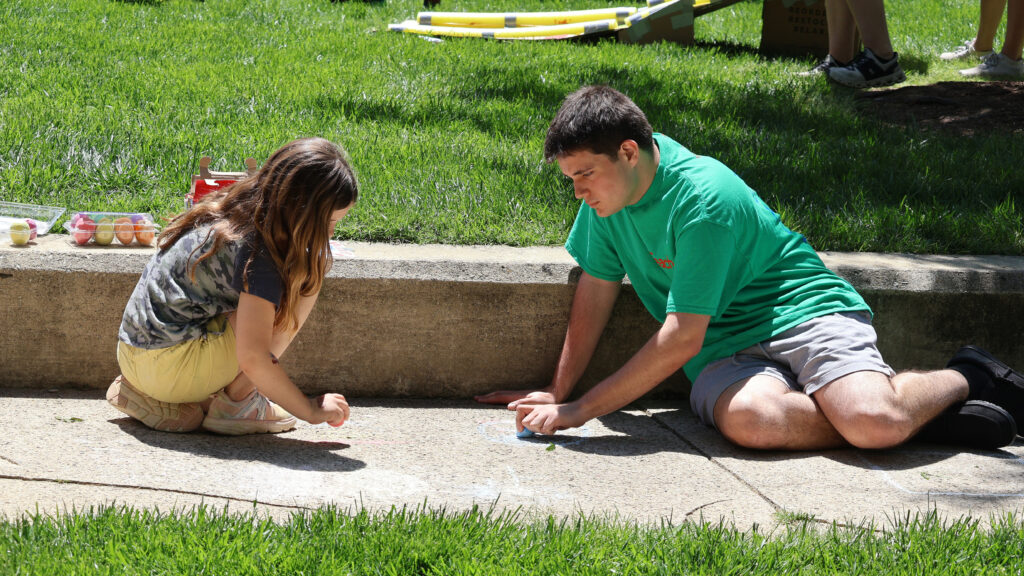
Education students at Presbyterian College begin clinical experiences and classroom observations as early as their freshman year. Faculty members say the early immersion helps students confirm their passion for teaching while steadily building confidence and experience long before student teaching begins.
“By the time they’re juniors and seniors, they’re solid as a rock,” Jones said.
For recent graduate Caden Stonell of Laurens, that early preparation proved invaluable.
“PC gave me real-world experience with professors who have not only been in the classroom, but still are,” Stonell said. “These people keep up with best practices and have helped me navigate real situations head on.”
Stonell, who will teach in Greenwood District 50, said Presbyterian College’s faculty helped prepare him for the realities of modern classrooms while building strong relationships with local schools and districts.
“They have supports in the local school district, and play a vital role at getting your foot in the door,” he said. “Presbyterian College has an education curriculum that expands beyond the textbook and has plenty of opportunity for practice.”
During his student-teaching experience at Joanna-Woodson Elementary School, Stonell worked alongside a resource specialist while planning lessons across multiple grade levels each week.
“That moment was defining for me because I stepped out of the passenger’s seat into the driver’s seat,” he said. “It was a demanding role, but it was exciting.”
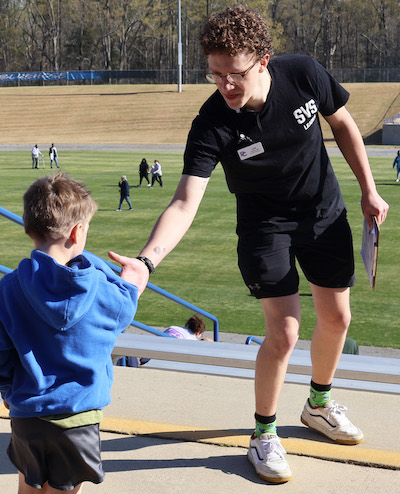
Mathematics and education graduate Lyle Jones ’26 experienced a similar transition during his final semester at Presbyterian College.
When Clinton High School needed a mathematics teacher following a midyear retirement, administrators contacted PC’s education department searching for candidates. Jones was hired under a provisional teaching license before graduation and spent his final semester teaching ninth-, 10th-, and 11th-grade students full time.
“The professors in the education department are incredible,” Jones said. “They’re all so passionate about education, so passionate about the students. They will do everything in their power to get you connections in the world — and to make sure that you have a job when you graduate.”
Jones said the department’s demanding preparation made the transition into teaching feel manageable.
“PC definitely gave me lots more preparation than needed,” he said with a laugh. “They have you write very robust and full lesson plans. Then I started working, and they said, ‘We just need about four or five sentences of what you’re doing.’”
A Reputation Built in Schools
The department’s reputation among school administrators has continued to grow as more graduates enter classrooms throughout the state.
Jones recalled one recent conversation with administrators at Eastside Elementary School in Clinton after graduate Abby Ferris interviewed for a teaching position.
After interviewing several candidates, administrators quickly offered Ferris a contract.
“They told me, ‘We don’t know what y’all are doing at PC, but whatever you’re doing, keep doing it,’” Jones said. “They said our candidates are heads and shoulders above the other candidates they interview.”
The department’s faculty believe much of that success stems from a combination of experience and accessibility.
The professors in the education department are incredible.They’re all so passionate about education, so passionate about the students. They will do everything in their power to get you connections in the world — and to make sure that you have a job when you graduate.”
Lyle Jones ’26, Math Teacher, Clinton High School
Every full-time member of the department brings decades of classroom experience, while several faculty members also served as school administrators before entering higher education.
Equally important, Jones said, is the department’s commitment to maintaining strong relationships with students long after graduation.
“We stay connected to them,” she said. “They always know we’re here to support them.”
That culture of mentorship extends throughout Presbyterian College’s close-knit liberal arts environment.
“My professors did factor into my decision to teach,” Stonell said. “All of them are wonderful people, and live wonderful lives doing what they love. They taught me that teaching is more than a paycheck, and that you can enjoy what you do.”
He said one lesson from his professors continues to stay with him.
“As my professors would put it, ‘We are kind, but we aren’t weak,’” Stonell said.
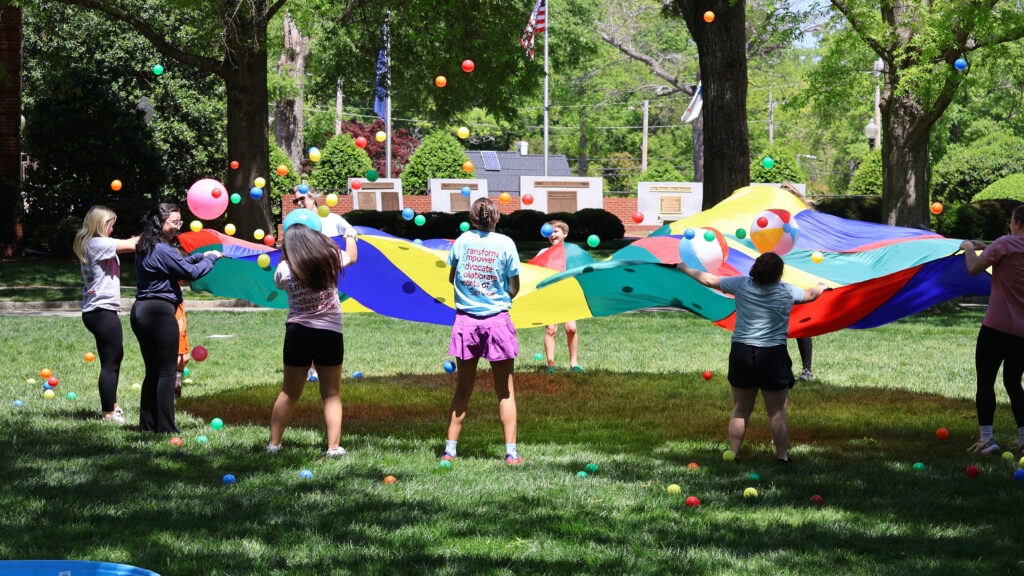
Teachers as Scholars and Leaders
Presbyterian College’s education department also encourages students to engage in research, leadership, and service beyond the classroom.
Early childhood education graduate Madison Pruitt ’25 recently published undergraduate research in Literacy Matters, the peer-reviewed journal of the Palmetto State Literacy Association.
Her study explored how mobile device use affects literacy development among young children.
“Our program prepares students to be professional educators who are actively engaged in the field,” said Dr. Julia Wilkins, associate professor of education and Pruitt’s capstone instructor.
Students also participate in organizations and service initiatives ranging from Student Volunteer Services and Special Olympics to literacy outreach and undergraduate research conferences.
Faculty members say those experiences help future teachers develop not only instructional ability, but leadership skills and empathy that translate directly into schools and communities.
“The human side of teaching is important,” Lyle Jones said. “Not just teaching students geometry or content, but being a leader in their lives.”
Dr. Erin McAdams, provost and vice president of academic affairs, said the education department reflects the college’s broader mission of preparing graduates to lead lives of service and purpose.
“At Presbyterian College, we believe great teachers empower students, change lives, and strengthen communities,” McAdams said. “The faculty in our education department combine deep professional experience with personal mentorship to prepare graduates who are compassionate, confident, and ready to lead classrooms from the very beginning of their careers.”
For Patti Jones, that mission remains at the center of everything the department does.
The state and nation continue facing teacher shortages, she said, but schools need far more than simply filling vacancies.
They need educators prepared to lead, support students, and succeed immediately.
“We want our graduates to walk into classrooms confident and prepared,” she said. “That’s what we’re trying to build here every single day.”