PC shares its work in undergraduate research, experiential learning, and church leadership as higher education professionals explore ways to connect education with lives of service
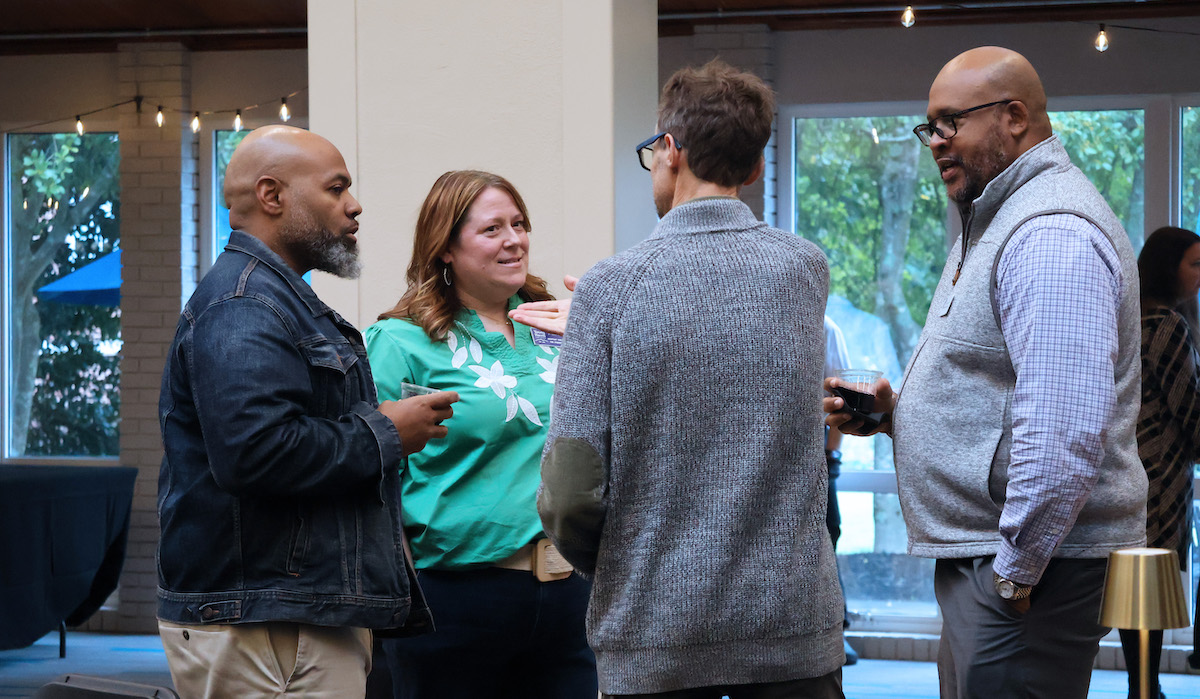
Presbyterian College put its own approach to vocational mentoring in the spotlight last month, welcoming higher education professionals to campus for a regional conference exploring how colleges can help students connect classroom learning with their individual callings.
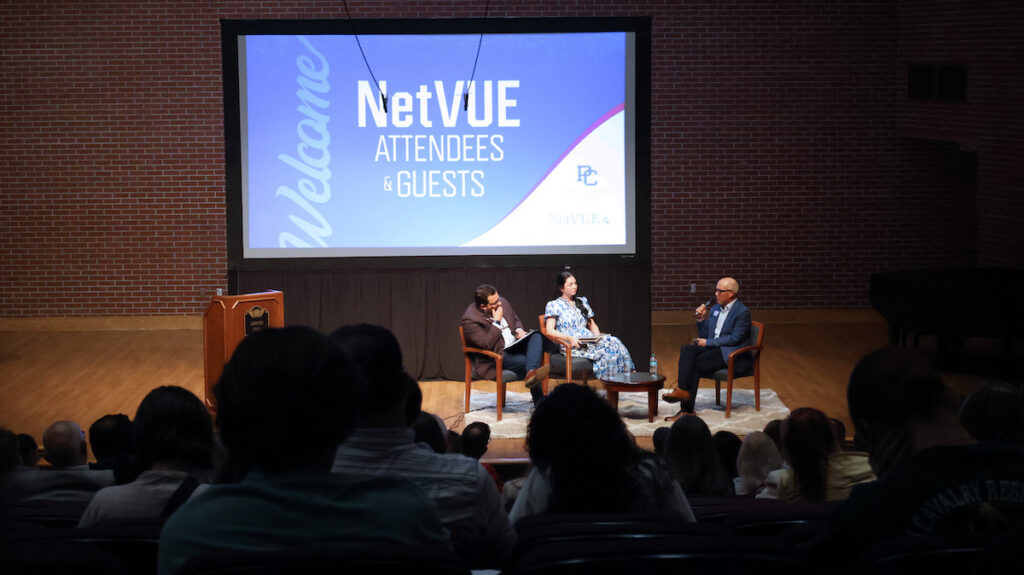
The three-day gathering of the Network for Vocation in Undergraduate Education (NetVUE), “Vocation and Experiential Learning: The Call to Mentorship,” gave PC an opportunity to share its work in undergraduate research, experiential learning, and church leadership while engaging colleagues from other institutions in discussions about strengthening student mentorship.
Through presentations by faculty and staff, the college highlighted how its commitment to educating students in mind, heart and spirit extends beyond traditional academics to help students recognize their strengths, explore their interests and discover opportunities to serve others.
PC president Dr. Anita Gustafson and Dr. Austin Shull, associate professor of biology and director of the college’s Center for Inquiry, Research and Scholarship (CIRAS), welcomed participants to campus. The conference featured guest speakers, discussions and workshops designed to help institutions incorporate vocational reflection into existing educational programs.
Building a Culture of Purpose
The conference opened with a presentation by Andy Chan, “Beyond the First Job: Mentoring the Whole Person Toward a Meaningful Career and Life.”
On Friday, Dr. Terese J. Lund, associate vice president of Purposeful Pathways at Wingate University, explored how institutions can help students make meaningful connections between their education and future aspirations.
In her presentation, “Building a Culture of Purpose,” Lund emphasized that students are navigating two interconnected questions: how they will make a living and what kind of work is worth doing.
She cited research showing that while 79% of Generation Z students want work that helps others, 43% report lacking a clear sense of purpose.
Lund described vocational development as an ongoing process shaped by experience, relationships and reflection rather than a single moment of discovery.
She encouraged institutions to incorporate these opportunities into existing educational structures, including academic advising, student employment, coursework and career development. Faculty and staff mentors, she explained, can help students interpret their experiences and better understand their developing interests and aspirations.
Connecting Learning With Calling
PC’s contributions to the conference demonstrated how vocational exploration can be woven into academic and co-curricular experiences.
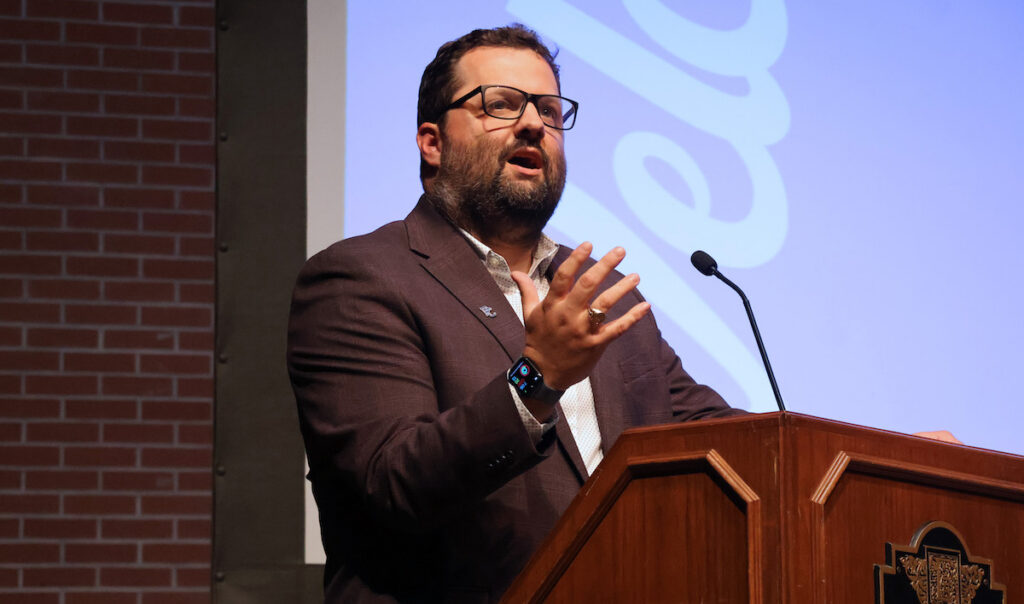
Shull led a presentation examining the relationship between undergraduate research, liberal education and vocational discernment.
He described research as a process that closely parallels the exploration of one’s calling. Students identify questions that interest them, test ideas through investigation, evaluate what they discover and refine their understanding through reflection and mentorship.
In that process, faculty members do more than teach disciplinary knowledge. They model the intellectual curiosity and commitment that can help students recognize their own potential.
Shull emphasized that a liberal arts education develops more than technical expertise. It also cultivates intellectual courage, thoughtful decision-making and an understanding of how individual talents can contribute to the common good.
His presentation connected those ideals to Presbyterian College’s motto, “Dum vivimus servimus” — “While We Live, We Serve” — and the college’s commitment to preparing graduates for meaningful lives beyond the classroom.
The Rev. Dr. Buz Wilcoxon, PC’s Lassiter Chaplain and Dean of Spiritual Life, introduced participants to the college’s Ecology of Calling initiative, which encourages vocational discernment and leadership development across different stages of life.
The initiative encompasses youth ministry experiences, collegiate church leadership opportunities and programs supporting congregational leaders.
Through initiatives such as Celtic Cross, church mentorship experiences and contextual exploration retreats, students examine the relationships among faith, leadership, community engagement and service.
Wilcoxon’s presentation illustrated how PC builds relationships between the college, congregations and surrounding communities while creating opportunities for individuals to explore their callings.
Turning Ideas Into Action
Beyond showcasing PC’s initiatives, the conference challenged participants to examine their own institutions’ approaches to mentoring students through experiential learning.
During Saturday’s workshops, led by Wilcoxon and Shull, participants considered whether existing programs included intentional opportunities for students to reflect on their experiences and future directions.
The exercises asked participants to identify gaps in mentoring practices, consider barriers to effective engagement and develop approaches that could be incorporated into established programs.
A concluding design workshop guided participants through creating proposals for vocational reflection, including identifying mentors, determining opportunities for engagement and establishing ways to evaluate effectiveness.
The goal was to develop realistic, sustainable approaches that could strengthen the connections among experiential learning, mentorship and vocational formation.
Throughout the gathering, participants also had opportunities for informal conversations with PC students about experiential learning, campus exploration and fellowship in the Clinton community.
By hosting the regional conference and sharing its own initiatives, Presbyterian College contributed to a broader conversation about preparing students for life beyond graduation. The gathering also underscored an enduring principle of the college’s educational mission: Learning reaches its fullest potential when students discover how to apply their knowledge, talents and experiences in service to others.